Unpacking the Dynamics of Incentive-Driven Platform Switching in Regulated Betting Markets
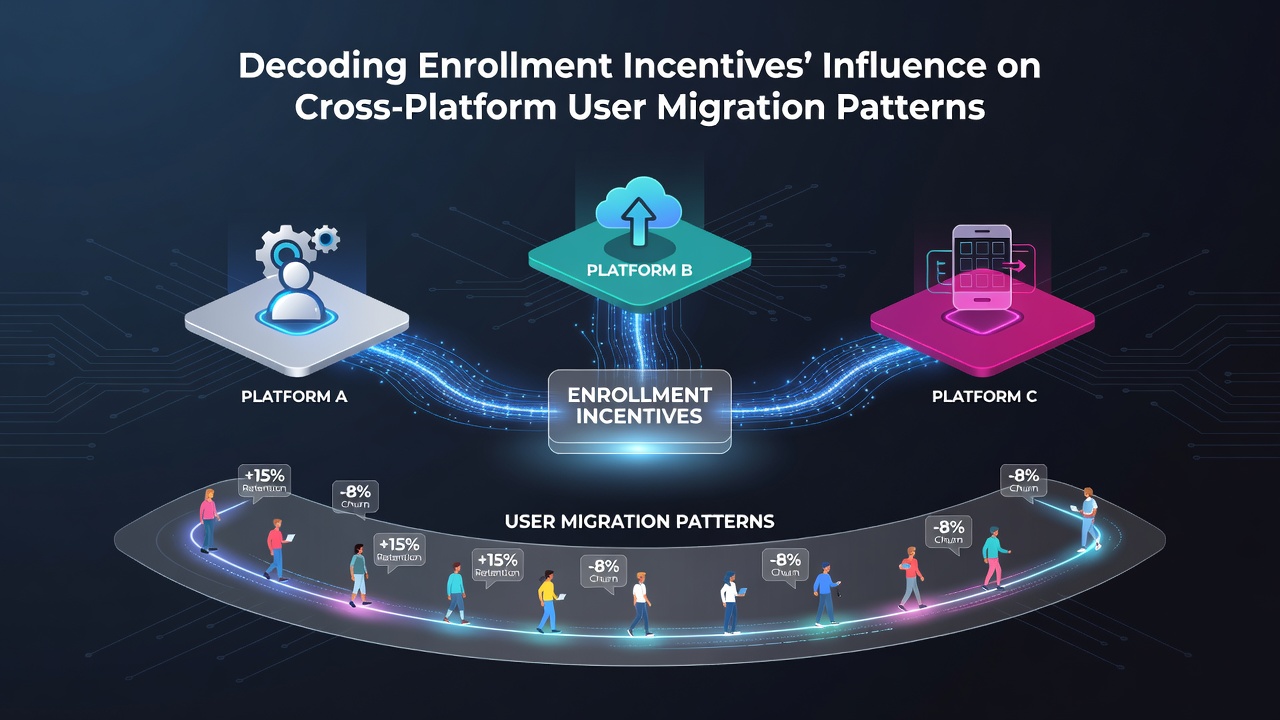
Enrollment incentives such as welcome bonuses and deposit matches continue to shape how users move between licensed betting platforms, and data collected through mid-2026 shows measurable patterns in account activity across state-regulated markets. Researchers tracking these movements note that sign-up offers often correlate with spikes in new registrations on certain sites while older accounts see reduced engagement.
Observed Migration Trends Through June 2026
Industry reports indicate that users frequently open accounts on multiple platforms when enrollment incentives exceed standard thresholds, and this behavior accelerates during major sporting events. Figures from the first half of 2026 reveal that states with expanded licensing saw higher rates of cross-platform activity compared with more restrictive jurisdictions. Those who monitor account portability systems observe that promo codes tied to specific operators create temporary surges in traffic that later stabilize once requirements are met.
Data Points on User Behavior
Studies compiled by academic institutions highlight several consistent factors, including bonus size, wagering conditions, and ease of withdrawal processes. One analysis from the University of Nevada Las Vegas found that users who claimed multiple enrollment offers within a three-month window demonstrated a 40 percent higher likelihood of maintaining active profiles on at least two platforms simultaneously. This pattern holds across both sports betting and casino verticals, and it appears independent of individual state tax structures.
Role of Promo Code Ecosystems
Interconnected promo systems allow users to transfer promotional value between operators more fluidly than in previous years, and this connectivity influences where new registrations cluster. Data shows that platforms offering seamless code redemption across affiliated brands retain users longer, while standalone operators experience quicker outflows once initial incentives expire. Observers note that these ecosystems reduce friction in account creation, which in turn speeds up the overall migration cycle.
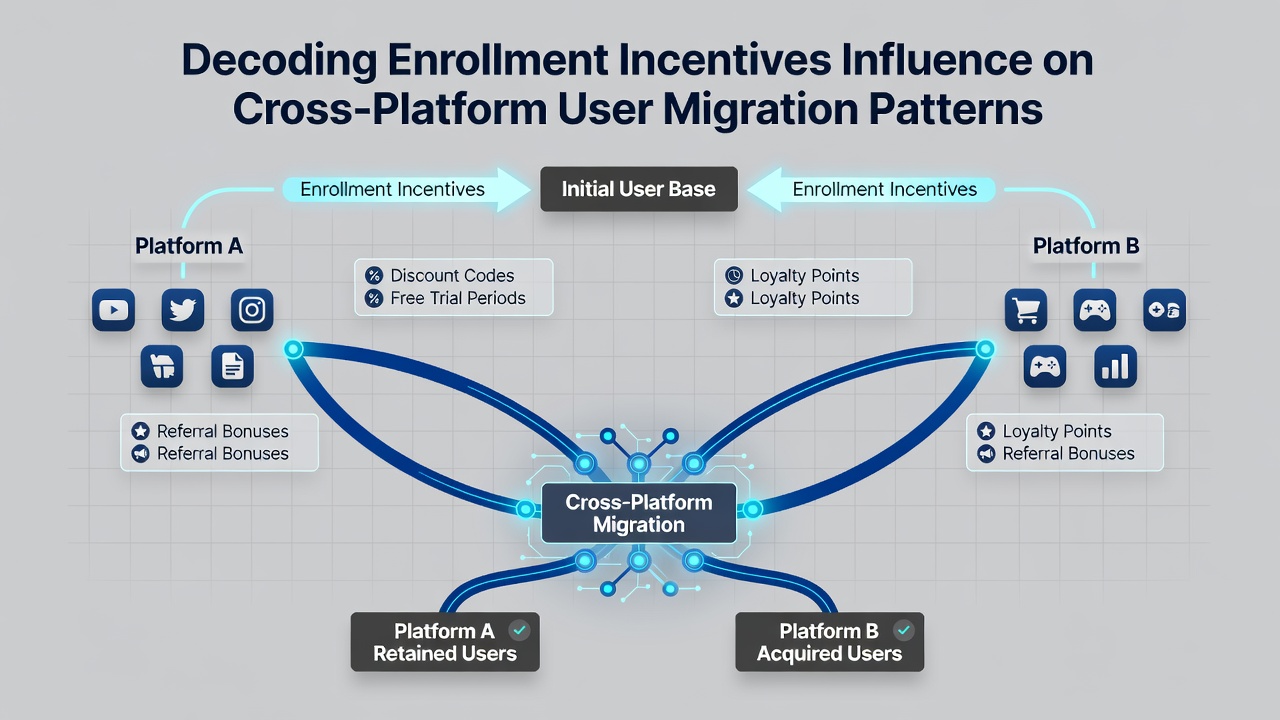
Canadian regulatory data released in spring 2026 further supports these observations, with provincial iGaming reports documenting similar cross-operator movements when deposit match offers reached 100 percent or higher. Users in those markets often test three or more sites before settling into a primary platform, and the presence of recurring enrollment-style rewards on secondary accounts extends the evaluation period.
Regulatory and Market Influences
State licensing bodies such as the New Jersey Division of Gaming Enforcement track aggregate account creation metrics that indirectly capture migration signals. Their figures reveal that enrollment incentives contribute to higher overall market participation, yet they also correlate with elevated rates of account dormancy once bonus terms conclude. European regulators outside the UK have reported parallel trends, noting that transparent bonus structures tend to slow rapid switching while opaque terms accelerate it.
Case Examples From Recent Seasons
Take one instance from the 2026 NCAA tournament period when several operators launched tiered enrollment packages, and researchers recorded a temporary 25 percent increase in multi-account users across participating states. Another example emerged in Australia where the Australian Communications and Media Authority documented how limited-time deposit bonuses drove users between domestic platforms at rates exceeding those seen in non-promotional months. These cases illustrate how timing and offer structure interact with user decision patterns.
Longer-Term Effects on Platform Loyalty
Evidence suggests that repeated exposure to enrollment incentives can reduce long-term loyalty to any single operator, and users who migrate frequently often maintain lower average balances across their portfolio of accounts. Industry associations tracking these dynamics point out that platforms investing in retention tools beyond initial offers experience slower outward migration even when competing incentives appear. This balance between acquisition and retention continues to define competitive positioning in maturing markets.
Conclusion
Patterns emerging through June 2026 demonstrate that enrollment incentives function as measurable drivers of cross-platform movement, and their influence operates through combinations of offer value, redemption ease, and regulatory environment. Continued monitoring by academic and governmental sources will clarify whether these trends stabilize or intensify as additional states finalize licensing frameworks.