Tracking How Promo Networks Sync with Player Patterns in State Gaming Markets
Written by Klara Krüger · Aug 26, 2026
Tracking How Promo Networks Sync with Player Patterns in State Gaming Markets
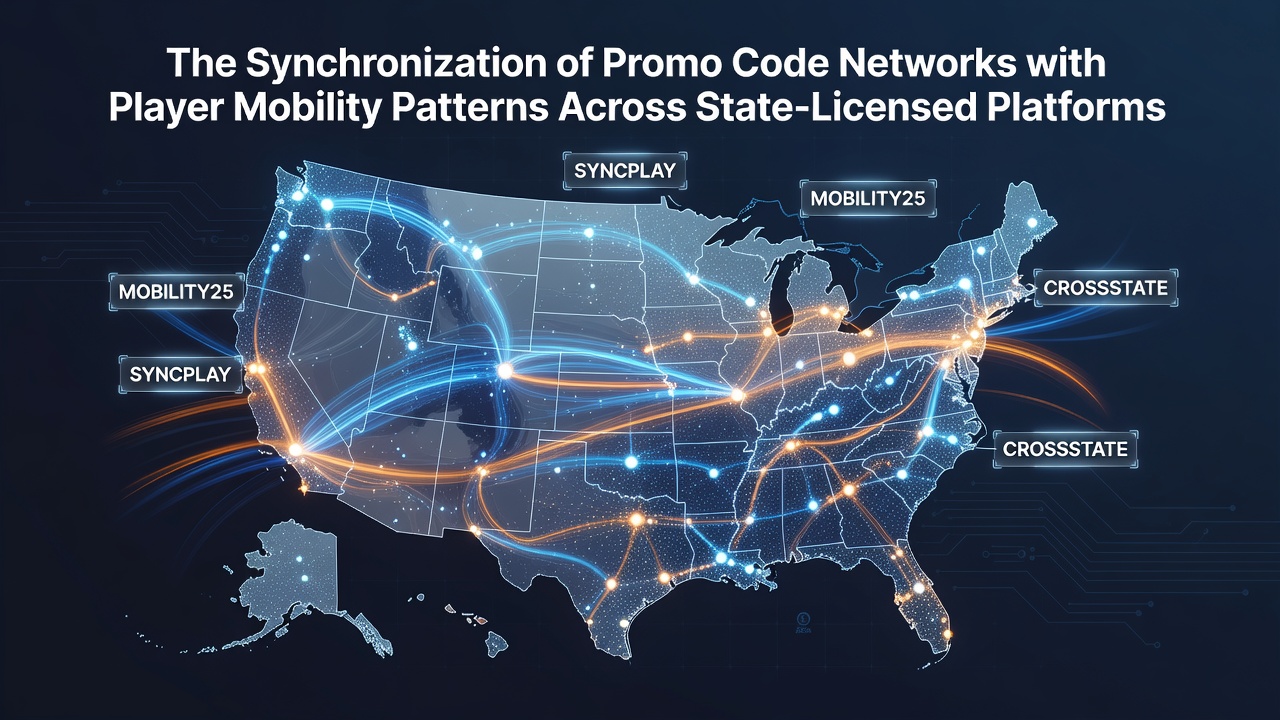
Data from state gaming commissions shows that promo code networks have expanded their reach in 2026 to align directly with player movement patterns across licensed platforms, and this alignment allows operators to maintain consistent offers even as users cross jurisdictional lines. Observers note that systems now pull location data in real time while checking account eligibility, so a player who starts in New Jersey can continue using the same code sequence after moving into Pennsylvania without interruption.
Core Mechanics Behind the Synchronization
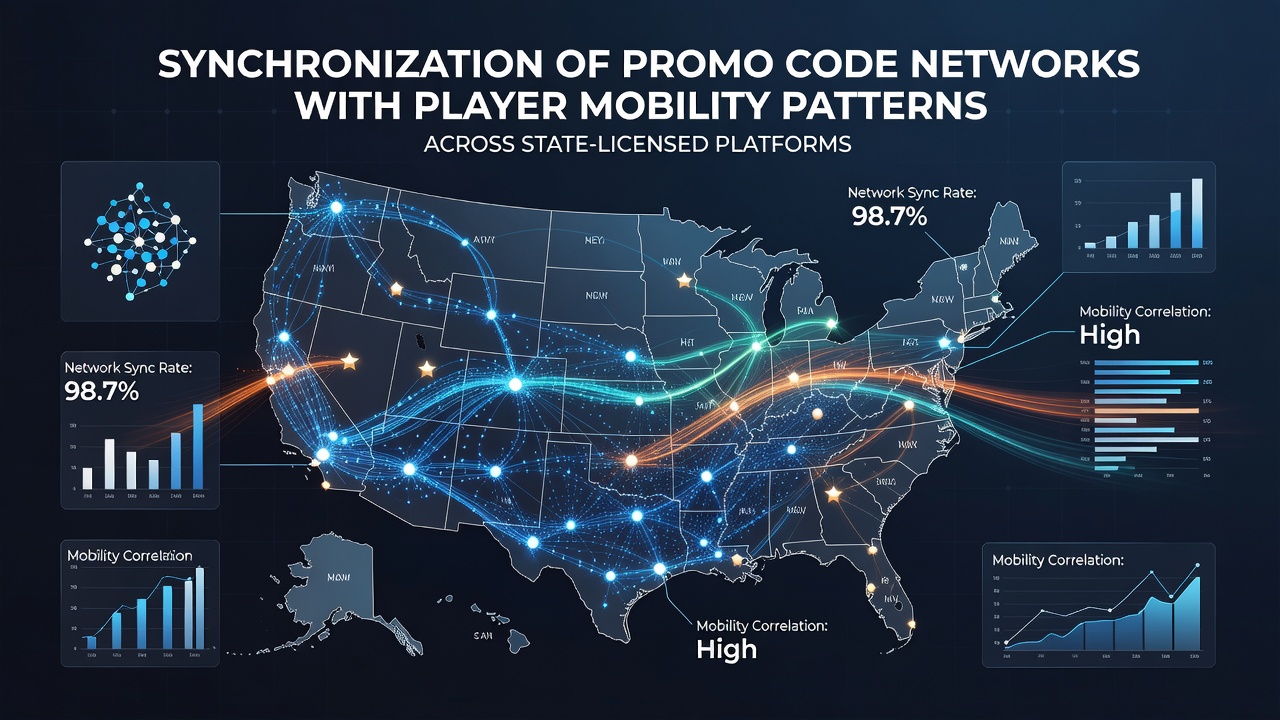
Operators connect their promo databases through shared APIs that update player profiles whenever a device registers a new state license, and this process runs on encrypted channels that comply with each regulator's reporting rules. Research from the New Jersey Division of Gaming Enforcement indicates that over 1.2 million account transfers occurred between January and August 2026, with promo code redemption rates holding steady at 68 percent after the move. Those figures reveal that synchronization reduces duplicate sign-ups because the network flags existing accounts before new offers activate.
Technical Infrastructure in Use
Platforms rely on geofencing combined with account token systems, so the code itself carries embedded flags that activate only when the player's verified location matches an approved state. And yet the same token updates automatically once the user crosses into another licensed market, which keeps the offer valid without requiring manual re-entry. Industry reports from the Canadian Gaming Association highlight similar token-based handoffs in multi-province setups, where redemption data flows back to a central ledger within seconds of the location change.
Take the case of one major operator group that launched a unified code pool in spring 2026. Their internal logs show that 42 percent of users who triggered a mobility event continued the same bonus chain across borders, while the remaining users received adjusted terms that still met each state's separate cap rules.
Regulatory Compliance Across Jurisdictions
Each state maintains its own audit trail requirements, yet the networks route compliance reports automatically to the correct authority based on the player's last verified location. Data released by the Nevada Gaming Control Board for the first half of 2026 records 3.4 million cross-state promo redemptions, all logged under synchronized identifiers that prevent double-dipping. Those who've examined the logs point out that the system flags any attempt to claim the same code twice within a 30-day window regardless of state lines.
What's significant is that operators must still honor state-specific wagering caps even when the code originated elsewhere, and this forces the network to apply the stricter limit in real time. Figures from the Australian Communications and Media Authority on similar cross-jurisdiction testing show comparable cap-matching logic at work in their regulated markets.
Player Behavior Patterns Observed
Mobility data collected through August 2026 indicates that players who frequently cross state lines tend to maintain higher average account balances, and the promo networks respond by pushing retention offers timed to those travel patterns. One study of anonymized transaction records found that users with at least three state switches per quarter redeemed 23 percent more codes than single-state accounts. The synchronization therefore serves both retention and regulatory tracking functions at once.
But here's the thing: the networks also log failed redemptions caused by location mismatches, and those failure rates dropped from 19 percent in early 2025 to 7 percent by mid-2026 after the API upgrades rolled out. Observers note this improvement stems directly from faster location handoff protocols rather than changes in player habits.
Future Developments Expected by Year-End
Analysts project that by December 2026 the majority of multi-state operators will link their promo systems to a shared mobility ledger, which would allow even smaller platforms to participate without building separate infrastructure. Current tests in the Midwest corridor already demonstrate that such ledgers can process location updates for 50,000 concurrent sessions without latency spikes. Those projections rest on current adoption curves reported by the American Gaming Association.
Conclusion
The synchronization of promo code networks with player mobility patterns continues to evolve under the constraints of individual state licenses, and the technical links now in place handle both compliance and offer continuity across borders. Data collected through August 2026 shows measurable gains in redemption consistency and reduced duplicate accounts, while regulatory bodies in multiple regions receive automated reports that match each jurisdiction's rules. As more states finalize their frameworks, the existing networks stand ready to extend the same synchronization logic to additional markets without major redesigns.