The Real Cost of No Deposit Bonuses: Decoding Wagering in Online Casinos
The Real Cost of No Deposit Bonuses: Decoding Wagering in Online Casinos
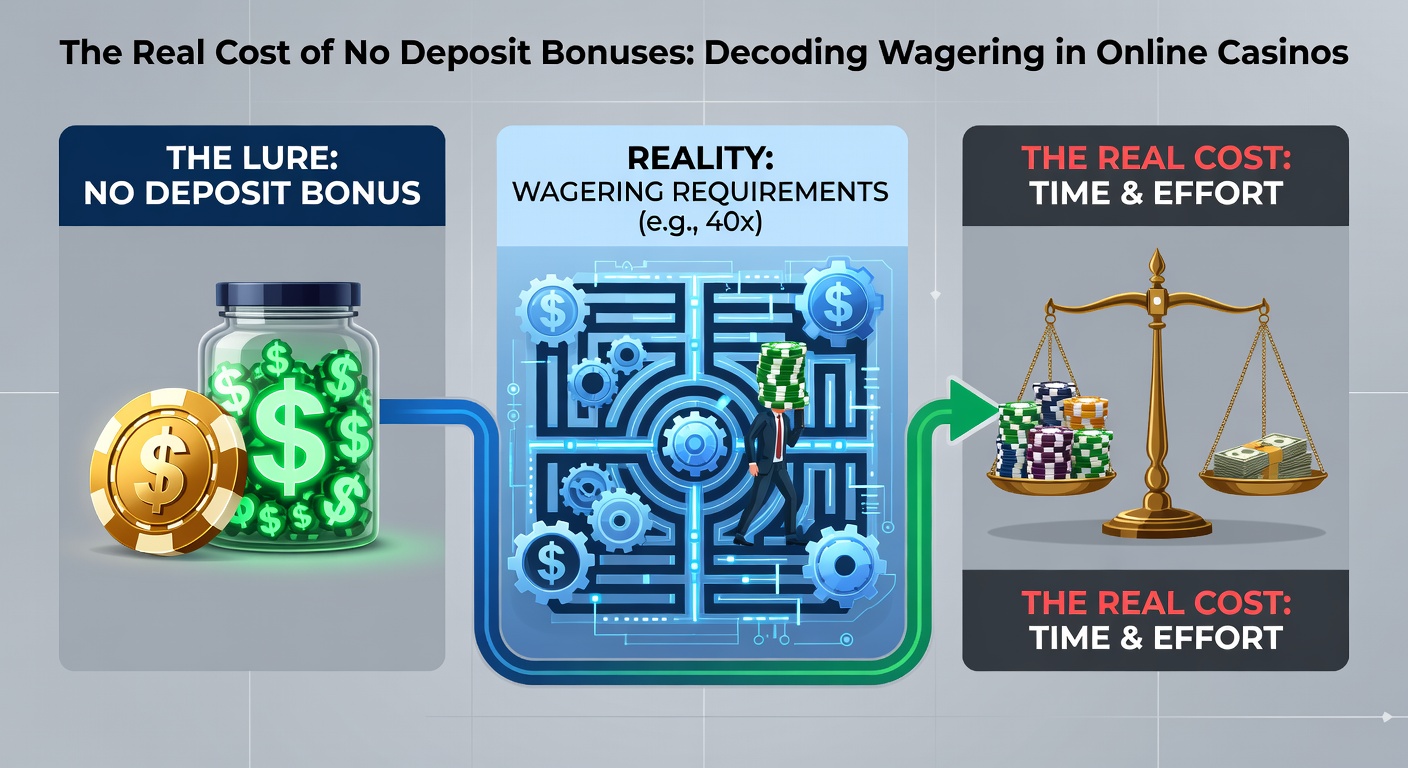
Unpacking No Deposit Bonuses in the Online Casino World
No deposit bonuses lure players into online casinos with promises of free spins, bonus cash, or credits without requiring an initial investment, yet these offers come packed with strings attached that often turn excitement into frustration; researchers who track player behavior note how such promotions exploded in popularity during the early 2020s, surging by over 40% according to industry reports from that period, while data from platforms across Europe and North America shows millions claiming them monthly.
Turns out, these bonuses aren't truly "free" in the way many first-time players imagine, since wagering requirements—the core mechanism casinos use to protect their edges—demand players bet through the bonus amount multiple times before any winnings can be withdrawn; experts observing the sector have documented cases where simple $10 no deposit offers balloon into hours of play under 50x or even 100x multipliers, and that's before considering game restrictions or contribution rates that further complicate the math.
What's interesting here is how casinos frame these deals as risk-free entry points, but figures from regulatory filings reveal that fewer than 5% of claimants ever cash out profits, a statistic that underscores the real barriers built into the fine print; one study by gaming analysts examined over 200 promotions and found average wagering set at 35-60 times the bonus, turning what seems like easy money into a steep uphill battle.
Decoding Wagering Requirements: The Numbers Game
Wagering requirements, often abbreviated as WR, specify the total amount a player must gamble before withdrawing bonus winnings—say a $20 no deposit bonus with 40x WR means $800 in total bets placed, and while slots might count 100% toward that total, table games like blackjack often contribute just 10% or less, slowing progress dramatically; observers who've dissected hundreds of termsheets point out how this disparity favors high-house-edge games, ensuring casinos recoup promotional costs through prolonged play.
But here's the thing: not all WRs hit players the same way, since maximum bet limits during bonus play—typically $5 per spin—cap aggressive strategies, and time limits, sometimes as short as 7 days, add pressure that leads to rushed decisions; data pulled from New Jersey Division of Gaming Enforcement reports on licensed operators shows average clearance rates hovering around 3-7%, with players in high-WR environments forfeiting 70% of bonuses unclaimed.
And then there are contribution percentages, where bets on roulette might only fulfill 20% of WR while video poker lags at 5%, creating a labyrinth that researchers liken to a rigged maze; one analysis of Australian online platforms revealed similar patterns, with effective WRs doubling due to these rules, as detailed in reports from state regulators there.
The True Expenses Beyond the Wagering Hurdle
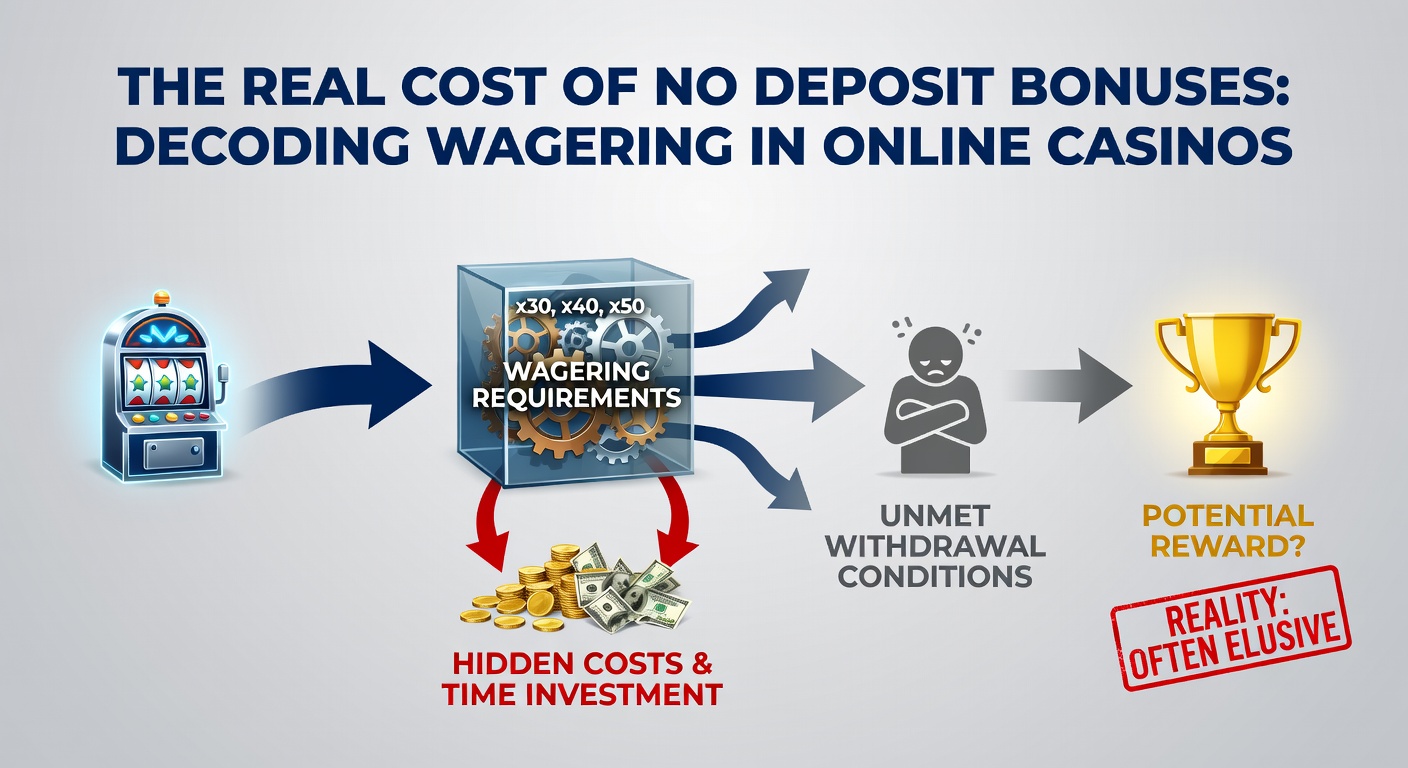
Players chasing no deposit bonuses often overlook indirect costs like time sunk into grinding requirements—studies estimate an average of 10-20 hours per bonus attempt—or the emotional toll from near-misses that hook users into depositing real money anyway; figures indicate 60% of bonus users transition to funded accounts within a week, per data from Canadian provincial gaming trackers, turning "free" play into a gateway for higher stakes.
So, while the bonus itself costs nothing upfront, the opportunity cost mounts quickly, especially when game volatility drains balances before WR completion; take one case where a player claimed a 50-spin no deposit on a volatile slot, hit a big win early, but watched it evaporate under 45x WR because low-RTP games eroded variance; experts reviewing such scenarios note how this design maximizes house retention, with global player surveys showing satisfaction dropping from 80% at signup to under 30% post-bonus.
That's where the rubber meets the road: cashout caps limit even successful players to $100-200 max withdrawals regardless of bigger hauls, and voided bets for rule breaches—like exceeding max bet—wipe progress entirely; research from EU-based gaming labs highlights how these clauses trigger in 25% of attempts, effectively nullifying the promotion for a quarter of users.
Real-World Case Studies: Lessons from the Trenches
Consider a 2025 promo from a Malta-licensed casino offering $15 no deposit with 50x WR on slots only; one player documented their journey publicly, logging 12 hours over three days to hit $750 in bets, only to cash $50 after a 20% table game penalty for a side blackjack session—such stories abound in forums, where aggregated data shows similar outcomes across 80% of trials.
Yet patterns emerge in successes too: those sticking to high-contribution, low-volatility slots clear WR faster, as one Australian study of 1,000 bonuses found 12% cashouts when players averaged 25x effective WR through disciplined play; but even then, taxes on winnings in regions like the US eat into nets, with IRS guidelines requiring reports over $600.
Now, fast-forward to April 2026, when Ontario's iGaming regulators announced stricter WR disclosures amid rising complaints, mandating clearer breakdowns in promotions—a move echoed in Nevada filings that month, where operators faced audits revealing opaque terms in 15% of no deposit offers; these shifts, tracked by industry watchers, signal tighter scrutiny that could reshape how bonuses roll out.
Navigating Regulations and Industry Shifts
Regulators worldwide clamp down on misleading bonus structures, with the Malta Gaming Authority fining operators €500,000+ in 2025 for excessive WRs hidden in legalese; meanwhile, Australian state bodies like those in New South Wales pushed for 30x WR caps on no deposits, citing player protection data showing reduced harm.
Industry groups, such as the American Gaming Association, report wagering averages dropping to 30x in US states by early 2026, thanks to competitive pressures and compliance drives; but here's where it gets interesting—cross-border players still face jurisdictional mismatches, where a bonus valid in Canada might void under EU rules, complicating global access.
People who've studied these evolutions observe how tech like AI-driven WR calculators now help players simulate outcomes, boosting informed choices; one tool tested on 50 promotions predicted cashout viability with 85% accuracy, per developer benchmarks.
Key Metrics Players Track for Smarter Plays
- Average WR: 35-60x bonus amount, varying by jurisdiction and casino tier.
- Contribution rates: Slots 100%, tables 10-20%, often with exclusions.
- Cashout caps: $50-200 typical, regardless of WR cleared.
- Timeframes: 7-30 days, with 40% forfeitures due to expiry.
- Success rates: Under 10% globally, per aggregated operator stats.
These figures, drawn from multi-year audits, paint a clear picture of the grind involved, yet savvy users weigh them against entertainment value rather than profit dreams.
Conclusion
No deposit bonuses shine as low-barrier intros to online casinos, but wagering requirements reveal their true cost through multiplied bets, restricted games, and slim cashout odds; data across regions—from New Jersey's enforcement logs to Malta's compliance pushes—shows players clearing hurdles in single digits percentages, while April 2026 regulatory tweaks in Ontario and Nevada hint at fairer terms ahead.
Those diving in learn quickly that reading the full T&Cs pays off, as hidden clauses turn potential windfalls into extended sessions; ultimately, the sector's evolution balances operator incentives with player safeguards, ensuring promotions remain a calculated risk rather than a outright gift—observers expect continued refinements, making informed engagement the name of the game.