Technology Reshapes Sportsbook Features Ahead of 2026 World Cup
Written by Casey Walter · Aug 19, 2026
Technology Reshapes Sportsbook Features Ahead of 2026 World Cup
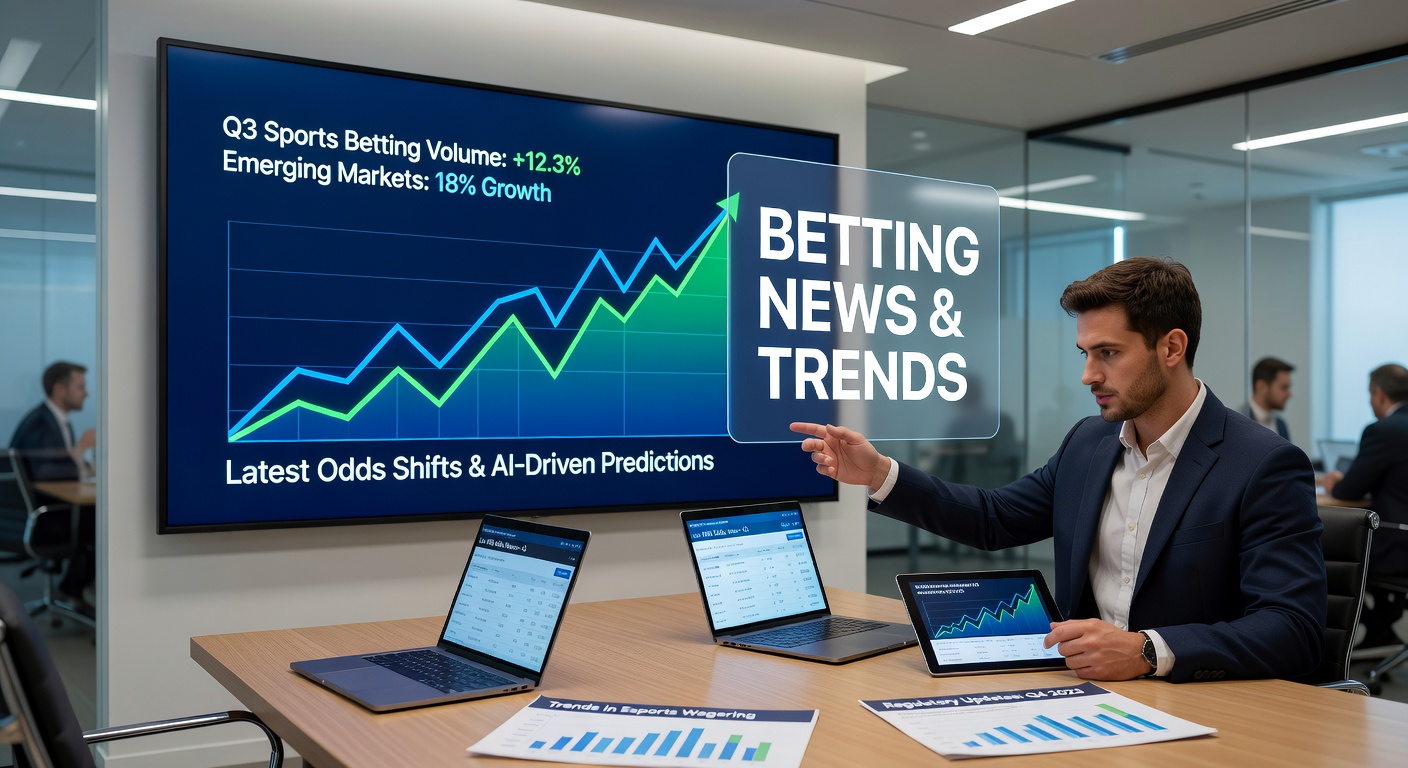
Live betting, bet builders, AI-driven odds, personalized markets, and mobile platforms continue to alter how operators run sportsbooks in 2026, according to industry analysis. Soccer events scheduled for the FIFA World Cup draw particular attention because they generate high volumes of in-play wagers and specialized markets. Operators respond by accelerating data updates, expanding combination betting tools, and integrating analytics that adjust odds in real time while regulators increase scrutiny on how these systems promote responsible participation.
Live and In-Play Betting Expands Market Reach
Live betting now accounts for a growing share of total handle across major operators because matches unfold with continuous data streams that update odds every few seconds. In soccer leagues that feed into World Cup qualification, bettors place wagers on next-goal timing, corner counts, and player substitutions while games remain active. This format requires faster backend processing than pre-match betting, which pushes platforms to adopt cloud infrastructure that handles spikes in traffic during high-profile fixtures. Observers note that European and South American soccer schedules in August 2026 already test these systems ahead of the larger tournament draw.
Bet Builders and Combination Wagers Gain Traction
Bet builders allow users to combine multiple selections from a single match or across several games into one wager with custom odds. Data from recent seasons shows increased usage of these tools during soccer tournaments because they appeal to fans who follow specific players or tactical patterns. Operators expand the number of available legs in each builder, adding options such as shot accuracy percentages and set-piece outcomes. This expansion creates more granular markets that still settle automatically through integrated data feeds, reducing manual oversight and settlement delays.
AI Analytics Drive Real-Time Odds Adjustments
Artificial intelligence models process historical match data, player tracking metrics, and weather variables to recalibrate odds during live events. These systems detect shifts in momentum faster than traditional statistical methods, which enables operators to maintain balanced books even when betting volume surges. Research from academic groups studying sports data analytics indicates that machine-learning approaches reduce pricing errors in volatile markets like soccer. The same tools also flag unusual betting patterns that may signal responsible-gaming interventions, aligning operator practices with emerging regulatory expectations around technology use.
Personalized Markets and Mobile-First Design
Personalization engines segment users by past behavior and preferred leagues, then surface tailored markets that appear only on their devices. Mobile applications serve as the primary access point because most bettors place in-play wagers through smartphones during matches. Developers prioritize low-latency interfaces that load specialized soccer markets within seconds and support one-tap bet placement. These design choices reflect usage data showing that over 80 percent of new accounts originate from mobile sessions in key markets.
Regulatory Focus on Responsible Technology Deployment
Regulatory bodies in multiple jurisdictions examine how AI and personalization tools influence user decisions. Agencies in North America and Australia review operator policies on spending limits, time-out features, and transparent disclosure of algorithmic pricing. Industry reports compiled by the European Gaming and Betting Association highlight that operators now embed responsible-gaming prompts directly into live-betting interfaces rather than treating them as separate modules. Data compiled by gaming analysts shows rising compliance costs tied to these requirements, yet operators continue investment because the same technologies support both engagement and oversight functions.
Soccer and World Cup Preparation Shape Development Priorities
With the 2026 FIFA World Cup approaching, operators allocate resources toward soccer-specific features such as expanded player prop markets and multi-leg builders that cover group-stage matches across host nations. Faster update cycles during matches become essential because global audiences place wagers across time zones. Operators also prepare for increased regulatory reporting on how AI models manage odds during the tournament period. These preparations build on patterns already visible in domestic leagues that run through August 2026.
Conclusion
The convergence of live betting, bet builders, AI analytics, personalized offerings, and mobile platforms continues to define sportsbook operations through 2026. Soccer remains the central driver because of its global schedule and data richness, while regulatory attention ensures that technology deployment incorporates safeguards. Operators that balance rapid market expansion with compliance measures position themselves for the volume expected during the upcoming World Cup cycle.