State Tax Reforms Reshaping Bonus Frameworks in Regional U.S. Wagering Markets
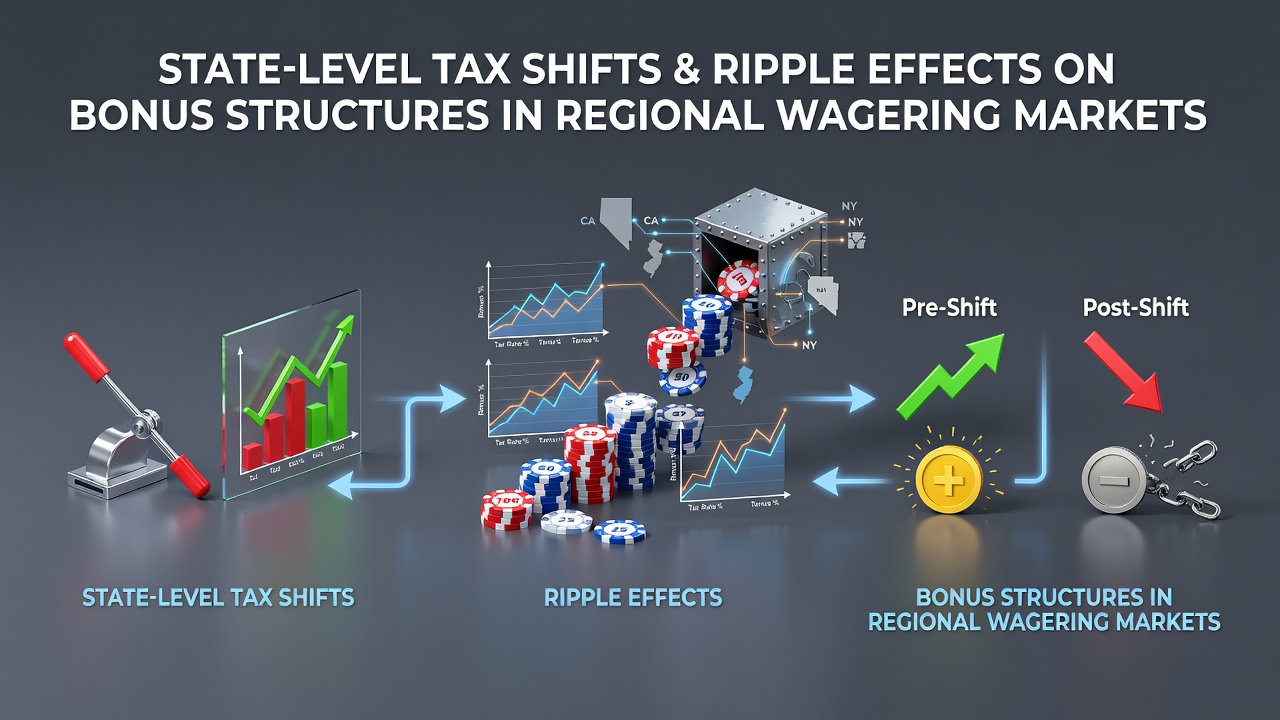
State legislatures across the U.S. have adjusted tax rates on sports betting and casino revenues throughout 2025 and into mid-2026, creating direct pressure on operator margins that influences how welcome bonuses, free bets, and loyalty rewards get structured in licensed markets. These fiscal changes often target gross gaming revenue with rates climbing from 10 percent in some jurisdictions to as high as 51 percent in others, prompting operators to recalibrate promotional spend while maintaining compliance with state licensing rules.
Overview of Recent Tax Adjustments
Multiple states implemented or proposed higher levies on wagering activity during the first half of 2026, with data from regulatory filings showing increased collections aimed at balancing budgets amid fluctuating lottery and gaming income. Observers note that states like Illinois and Pennsylvania maintain elevated rates near 36 percent and 51 percent respectively on sports betting, while newer markets such as North Carolina explore additional layers on combined sports and lottery sales to address shortfalls. These policy moves coincide with record commercial gaming volumes reported for 2025, where sports betting revenue climbed sharply according to industry tracking from the American Gaming Association.
Operators respond by shifting bonus structures away from high-cost welcome offers toward targeted retention tools that tie rewards more tightly to player activity and deposit patterns. Research indicates this adjustment helps preserve profitability when tax burdens rise, since promotional credits often count against taxable revenue in certain jurisdictions. Figures reveal that states with the steepest rates see operators favoring conditional bonuses that require higher wagering multiples before cashout eligibility.
Direct Ripple Effects on Bonus Design
Tax increases compress the portion of revenue available for marketing, leading operators to introduce tiered bonus systems that scale rewards based on deposit size and frequency rather than offering flat large-value free bets across the board. Data shows this pattern emerging most clearly in markets where tax rates exceed 20 percent, as companies limit exposure on no-deposit promotions and instead emphasize matched deposits with stricter playthrough requirements. Those who've examined operator filings note that bonus redemption rates vary regionally, with lower uptake in high-tax states where players encounter more restrictive terms.
What's interesting is how these tax-driven changes interact with existing wagering requirements, since higher levies sometimes prompt states to allow operators greater flexibility in how bonuses factor into revenue calculations. In July 2026, several markets released updated compliance guidelines clarifying whether promotional play counts toward taxable gross gaming revenue, giving operators room to refine offers without immediate tax penalties. This clarification has encouraged some regional platforms to test hybrid bonus models that blend cashback elements with conditional free bets.
Regional Variations and Market Responses
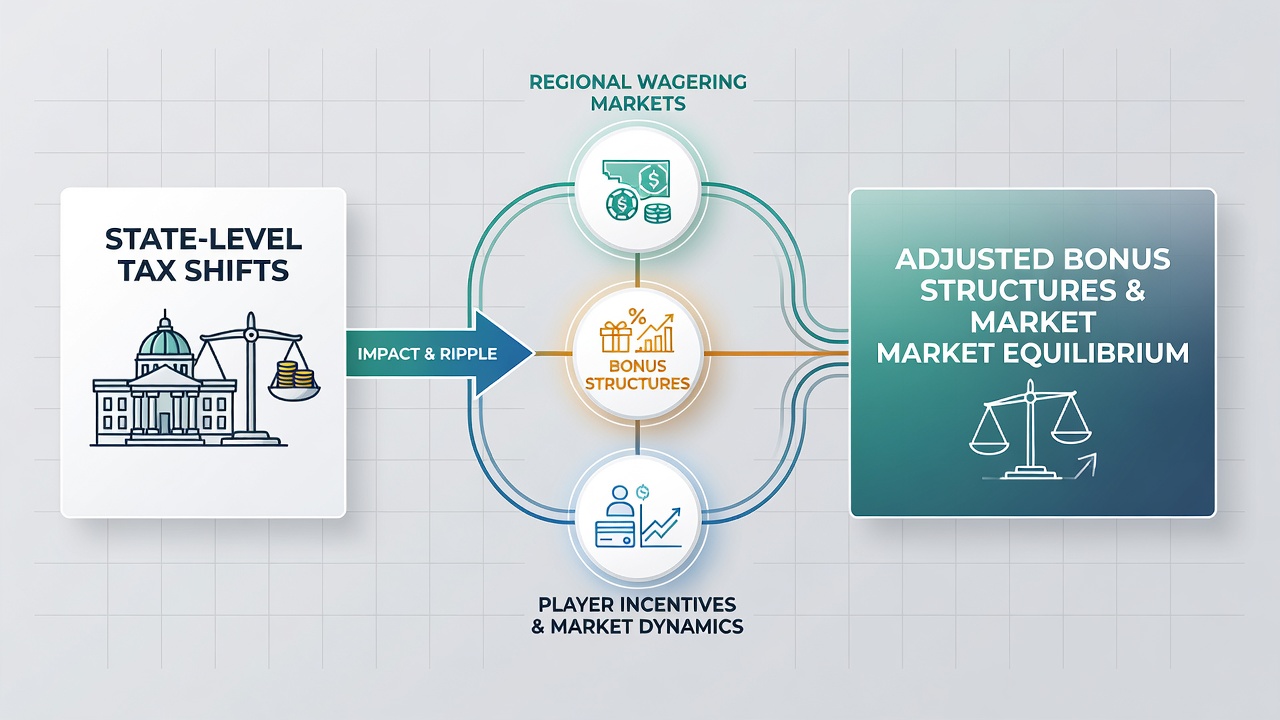
Eastern states with established sports betting frameworks tend to show more conservative bonus adjustments compared with western and southern markets still expanding their regulatory frameworks. One study from gambling research centers found that operators in high-tax environments reduce average bonus values by 15 to 25 percent within the first year after rate hikes take effect, while simultaneously increasing the number of smaller, activity-based rewards to sustain player engagement. This approach maintains account retention without inflating promotional costs that would otherwise erode after-tax profits.
But here's the thing: interconnected promo code systems across state lines allow some operators to shift player traffic toward lower-tax jurisdictions where more generous bonuses remain viable. Evidence suggests this mobility influences how regional platforms design cross-market offers, with loyalty programs sometimes requiring activity in multiple states to unlock higher reward tiers. Academic analyses of these patterns highlight that players often discover greater value in markets with moderate tax rates, where operators allocate larger shares of revenue toward bonus pools.
Industry reports from sources like the Canadian Gaming Association document parallel trends in provinces that adjusted gaming levies, showing similar compression of welcome offers when tax burdens increase. Those patterns provide context for U.S. observers tracking how state-level decisions ripple outward. Operators in affected regions frequently cite these international examples when discussing internal strategy adjustments with regulators.
Longer-Term Market Implications
Continued tax shifts may accelerate consolidation among smaller operators unable to absorb margin pressure while competing on bonus generosity, according to data compiled through mid-2026. Larger platforms leverage scale to absorb costs and sustain competitive offers, which in turn shapes the bonus landscape toward standardized terms that comply with multiple state rules simultaneously. This standardization reduces complexity for players moving between markets yet limits the variety of promotional structures available in any single jurisdiction.
Forecasts for the remainder of 2026 point to further legislative activity in at least four additional states considering rate adjustments, which would extend these dynamics into new regional wagering markets. Regulatory filings indicate that operators are already modeling scenarios that tie bonus release schedules to tax payment cycles, creating more predictable promotional calendars that align with fiscal obligations.
Conclusion
State-level tax policy changes continue to influence how bonus structures evolve in regional wagering markets, with operators adapting through tighter terms, scaled rewards, and activity-based incentives. Data through July 2026 shows measurable shifts in redemption patterns and offer design that track directly with tax rate variations across jurisdictions. These adjustments reflect ongoing efforts to balance regulatory compliance, revenue collection, and player engagement within an expanding national framework of licensed betting.