Senate Commerce Subcommittee Examines Sports Betting Practices and Prediction Market Regulations
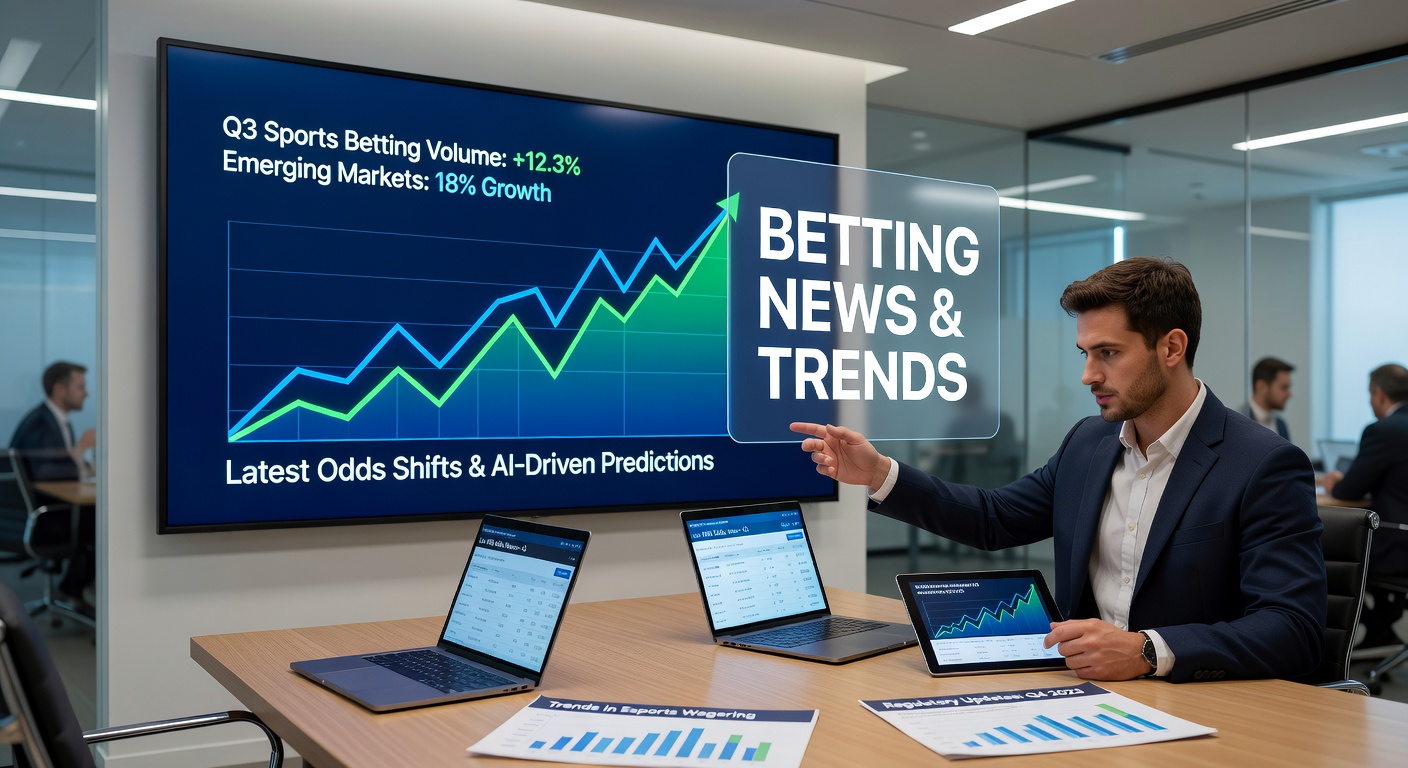
On May 20, 2026, a U.S. Senate Commerce subcommittee convened a hearing that brought sports betting operators and prediction market executives before lawmakers to address cheating scandals in professional sports, marketing approaches that target younger audiences, and disputes over how these platforms should fall under existing regulations. Executives from Kalshi, Polymarket, and several industry organizations provided testimony while senators raised specific concerns tied to recent events in Major League Baseball and UFC competitions along with the rapid expansion of mobile betting across 39 states plus the District of Columbia.
The session focused on allegations of game-fixing that have surfaced in multiple leagues, including claims involving MLB pitchers and UFC bouts. Lawmakers asked pointed questions about platform safeguards and whether current detection systems adequately prevent manipulation. Testimony highlighted ongoing state-level actions, notably Minnesota's decision to become the first state to prohibit prediction markets entirely, and broader efforts by other states to impose tighter restrictions on these platforms.
Key Issues Raised During Testimony
Committee members directed attention to aggressive marketing campaigns that some observers believe reach underage users despite existing age-verification requirements. Data presented during the hearing showed continued growth in legalized mobile betting markets, and questions centered on whether voluntary industry standards have kept pace with that expansion. Representatives from Kalshi and Polymarket explained their internal compliance measures while acknowledging that regulatory clarity remains limited because federal law has not yet settled whether prediction contracts qualify as financial instruments or fall under gambling statutes.
One line of questioning examined how platforms monitor unusual betting patterns that might indicate coordinated activity across accounts. Executives described automated tools used to flag suspicious activity, yet senators pressed for details on enforcement outcomes and cooperation with league investigators. The discussion also touched on calls for enhanced federal oversight to supplement existing state frameworks, particularly as more jurisdictions authorize sports wagering.
Industry Growth and State Responses
Figures shared at the hearing placed the number of states with legalized mobile sports betting at 39 plus the District of Columbia, reflecting steady legislative progress since the 2018 Supreme Court decision that cleared the way for broader legalization. Commercial gaming revenue has climbed in recent years, and one report on nationwide totals documented the scale of that expansion through 2025. Against this backdrop, Minnesota's outright ban on prediction markets stands as a contrasting development that lawmakers referenced when discussing potential models for additional restrictions.

State attorneys general and regulatory bodies have pursued separate actions in several jurisdictions, creating a patchwork of rules that companies must navigate. Testimony from industry representatives noted the operational challenges of complying with differing standards on advertising, account verification, and data reporting. Senators explored whether a uniform federal approach could reduce confusion while preserving state authority over licensing and taxation.
Regulatory Classification Debate
A central theme throughout the proceedings involved the classification of prediction markets as either gambling products or regulated financial instruments. Kalshi and Polymarket representatives argued that their event contracts function more like derivatives because they allow users to take positions on verifiable outcomes without traditional odds-making. Lawmakers countered that the user experience often mirrors conventional sports betting, which raises questions about consumer protections and tax treatment. The hearing did not produce immediate legislative proposals, but participants indicated that further committee work would examine these distinctions in greater detail.
Additional testimony addressed partnerships between platforms and sports leagues aimed at sharing integrity data. While some leagues have established formal monitoring agreements, questions arose about the consistency of information sharing across different sports. Senators asked whether current arrangements sufficiently deter misconduct or if statutory requirements would prove more effective.
Next Steps After the Hearing
Following the session, committee staff indicated they would review submitted documents and consider follow-up inquiries to the companies involved. No votes occurred during the hearing itself, yet the proceedings underscored ongoing congressional interest in both the consumer-protection and competitive-integrity dimensions of the expanding betting sector. Observers expect additional hearings as more states finalize their regulatory structures and as federal agencies continue to evaluate enforcement priorities.
Conclusion
The May 20, 2026, Senate Commerce subcommittee hearing brought together testimony from major prediction market operators and sports betting stakeholders to confront documented cases of suspected game-fixing, questions about marketing practices, and unresolved issues surrounding regulatory classification. With industry operations now spanning dozens of states and Minnesota having enacted the first statewide prohibition on prediction markets, the session illustrated the tension between rapid market growth and calls for clearer oversight frameworks. Further legislative and regulatory developments will likely build on the record established during this proceeding.