Reward Allocation Pathways: Shaping Long-Term Participation in Linked Sports and Casino Platforms
Written by Cameron Berger · Jul 29, 2026
Reward Allocation Pathways: Shaping Long-Term Participation in Linked Sports and Casino Platforms
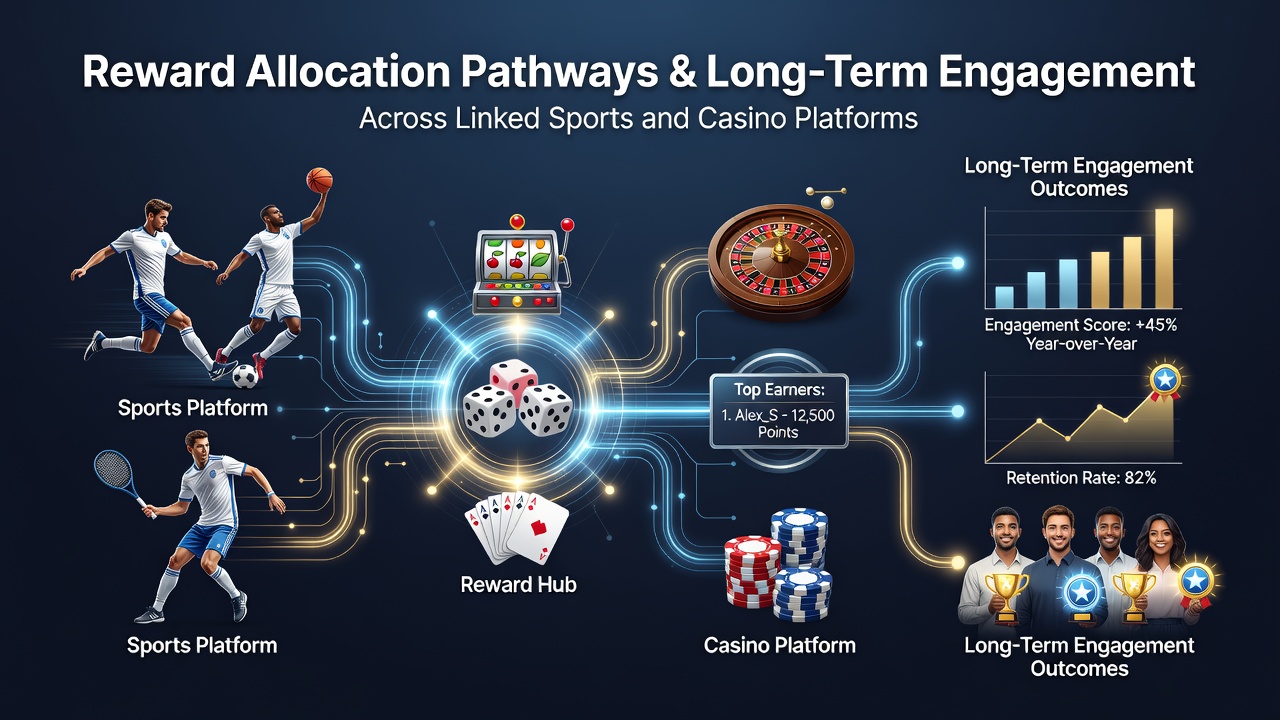
Operators in regulated markets have developed integrated reward allocation systems that connect sports betting and casino activities through shared loyalty points, tiered bonuses, and cross-platform redemptions, and these mechanisms influence how users maintain activity over extended periods. Data from multiple jurisdictions indicates that players who engage with linked accounts across both verticals show higher retention rates than those limited to single-product experiences, according to industry reports compiled through 2025 and into mid-2026.
Mechanics of Cross-Vertical Reward Distribution
Platforms structure reward pathways so that activity in one area, such as placing sports wagers, generates points that convert directly into casino credits or free spins, while casino play feeds back into sports-related bonuses like enhanced odds or risk-free bets. This bidirectional flow creates a continuous loop where users receive incremental incentives that encourage repeated sessions rather than isolated visits, and studies tracking account behavior reveal that conversion rates between verticals increase when allocation rules remain transparent and consistent across states.
Allocation often follows tiered models where initial deposits unlock base rewards, yet sustained play across both sports and casino sections accelerates progression to higher levels that offer reduced wagering thresholds or exclusive events. Observers note that in markets with multi-state licensing, operators synchronize these pathways so that users migrating between platforms retain accumulated value, which reduces churn compared to fragmented systems that reset progress upon switching products.
Engagement Patterns Observed in Integrated Ecosystems
Research tracking user cohorts through 2026 demonstrates that individuals participating in linked sports and casino rewards maintain weekly activity levels approximately 30 percent higher than single-vertical users, with session frequency rising notably during periods when bonus triggers align across both offerings. Figures from state regulatory filings show that states permitting seamless account portability between operators report elevated cross-product engagement, particularly when reward redemption windows extend beyond 30 days and allow flexible movement between sports markets and table games or slots.
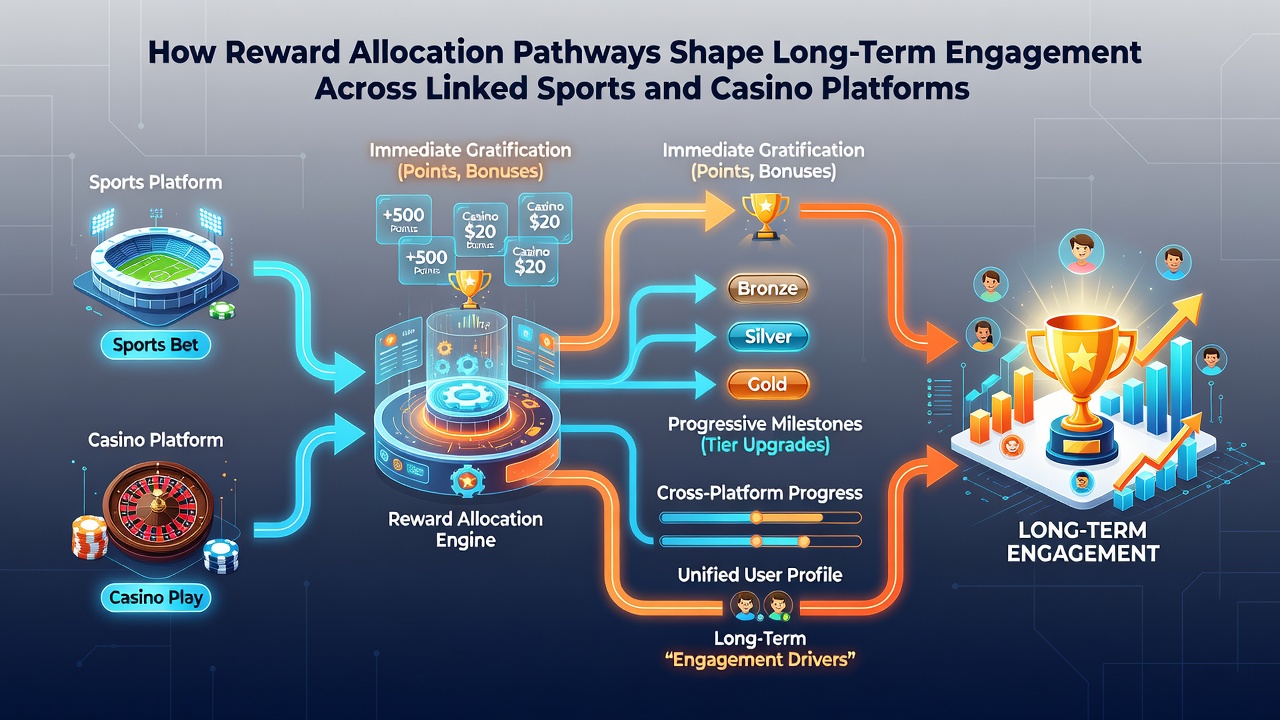
One analysis of platform data collected through July 2026 highlighted that users who redeem sports-derived points in casino environments return at rates exceeding those who keep rewards siloed, because the perceived value compounds when players experience immediate access to preferred game types. Those who have examined retention curves point out that allocation speed matters as much as total value, since delays in point crediting correlate with drops in return visits within the first 90 days of account activity.
Regulatory Influences on Pathway Design
State-level rules in the United States and provincial frameworks in Canada shape how operators construct these pathways, with requirements around bonus disclosure and fund segregation affecting the speed at which rewards transfer between sports and casino sections. Data compiled by the American Gaming Association indicates that jurisdictions enforcing clear cross-product redemption standards see steadier long-term engagement metrics, whereas stricter separation rules can fragment user journeys and lower overall participation volume.
European regulators, including those in the Netherlands through the Kansspelautoriteit, have examined similar integration models and found that platforms maintaining visible allocation trails between verticals experience fewer compliance issues while sustaining user activity into subsequent quarters. These findings align with academic reviews from institutions tracking gambling behavior, which link transparent pathways to reduced account dormancy after the initial six-month period.
Technical Implementation and User Mobility
Backend systems now employ unified player accounts that track reward balances across sportsbooks and casinos in real time, allowing operators to adjust allocation formulas based on individual behavior patterns without resetting progress during vertical switches. This technical linkage supports features such as instant point transfers and combined leaderboards, and platform operators report that such tools contribute to higher lifetime value figures when users remain active in both areas over multiple seasons.
Users benefit from portable rewards that follow them across state lines where licensing permits, and data from 2025 through July 2026 shows increased account linkage rates during major sporting events that coincide with casino promotions. Those monitoring these trends observe that seamless integration reduces the friction that previously caused players to abandon secondary products after exhausting initial bonuses.
Conclusion
Integrated reward allocation pathways continue to evolve as operators refine how points, bonuses, and redemptions connect sports and casino activities within single ecosystems. Available data through mid-2026 indicates measurable effects on retention and session frequency, with regulatory environments playing a determining role in pathway transparency and user mobility. Continued tracking of these systems will clarify how allocation mechanics influence sustained participation across linked platforms in coming periods.