Regulatory Fragmentation's Role in Limiting Bonus Transfers Among State-Licensed Betting Sites
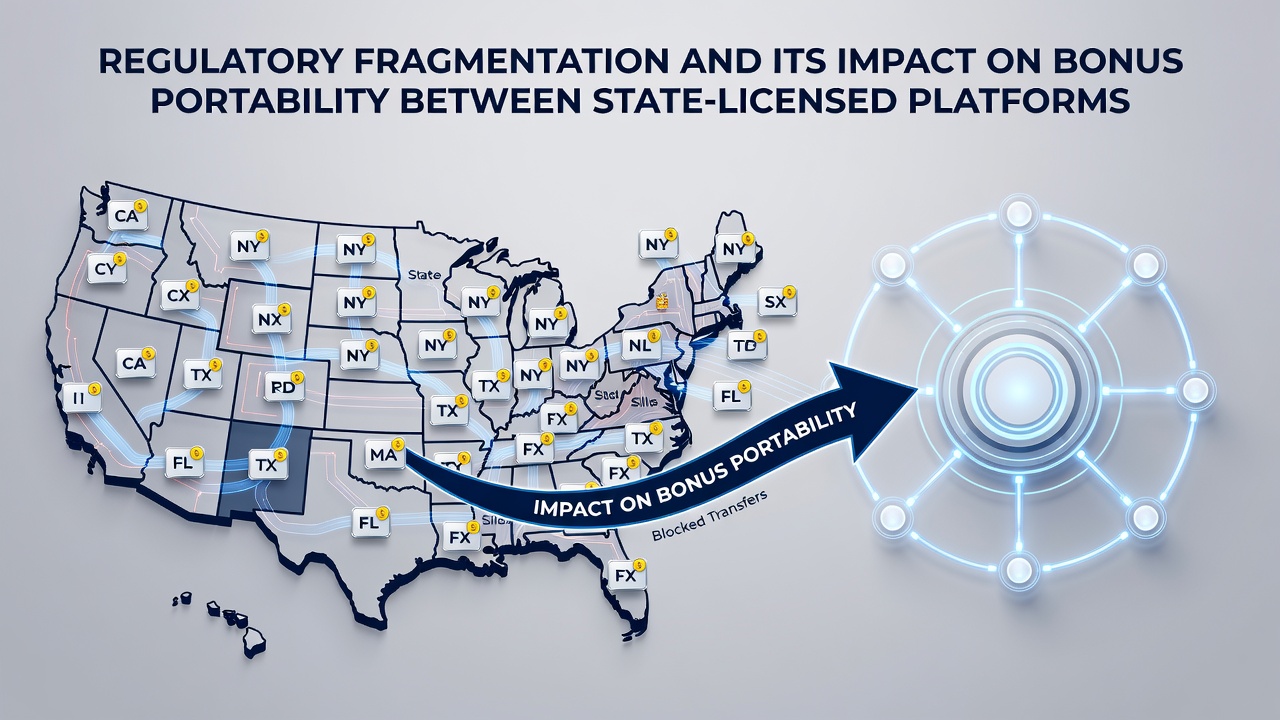
Regulatory fragmentation across U.S. states creates distinct licensing rules, tax structures, and consumer protection standards that directly affect how bonus offers move between platforms, and observers note this pattern has intensified as more jurisdictions authorize online sports betting and casino games through mid-2026. Each state maintains its own framework for what counts as a valid promotion, how operators must disclose terms, and whether funds tied to bonuses can transfer when a player switches accounts or platforms. Data from industry reports shows that players in states with stricter portability rules encounter delays or outright blocks when attempting to redeem offers across borders, while those in more aligned markets experience smoother transitions between licensed operators.
Defining Regulatory Fragmentation in U.S. Gambling Markets
State legislatures set independent standards for gambling operations, resulting in a patchwork where one jurisdiction might permit cross-platform bonus redemptions while an adjacent state prohibits them entirely, and this divergence stems from differing priorities around revenue collection, consumer safeguards, and market competition. Researchers at academic institutions tracking policy changes have documented over 30 distinct regulatory approaches among states that legalized sports betting by June 2026, with variations in wagering requirements, bonus expiration periods, and restrictions on multi-state account linkages. These differences arise because each legislature drafts laws tailored to local economic conditions, which means an operator licensed in New Jersey faces separate compliance obligations when expanding into Pennsylvania or Michigan.
What's notable is how these rules intersect with platform technology, since many betting apps use geo-fencing and account verification systems that enforce state-specific terms automatically, and figures from trade associations indicate that such systems process millions of bonus-related transactions monthly with varying success rates depending on the user's location. Operators must therefore maintain separate bonus pools and compliance teams for each market, which raises operational costs that ultimately influence the types of promotions available to users.
How Fragmentation Restricts Bonus Portability
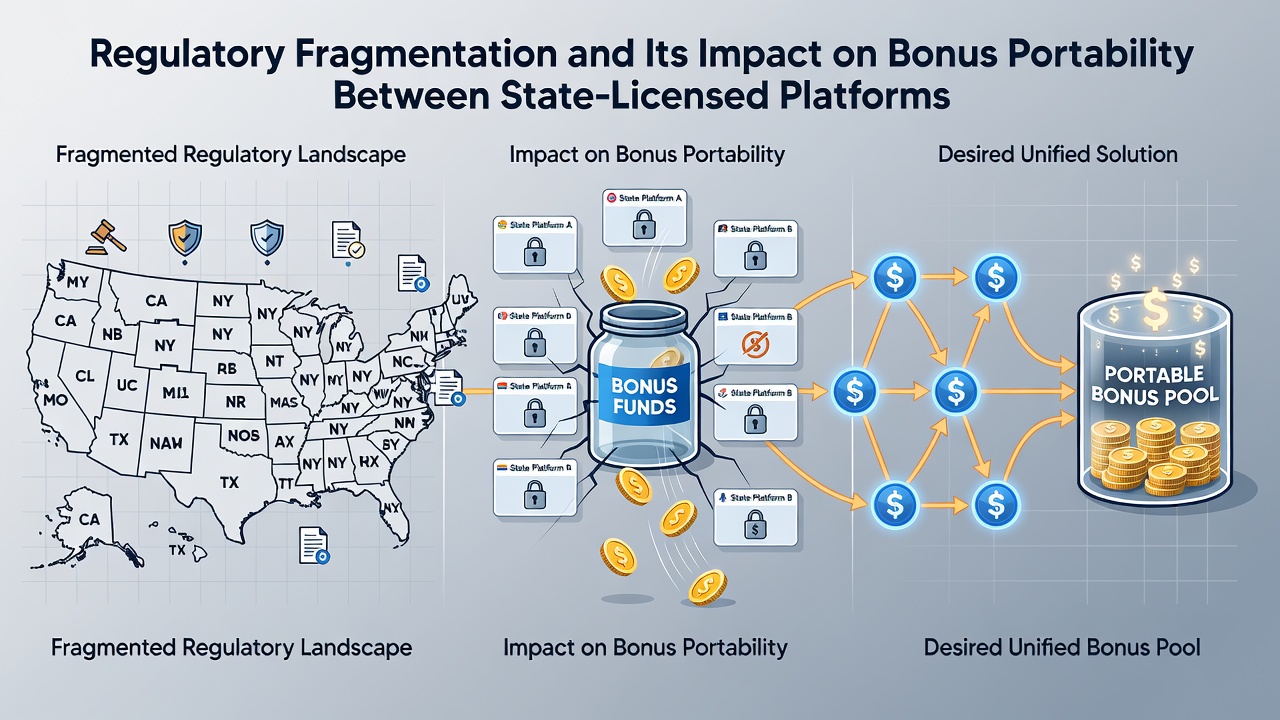
Bonus portability refers to the ability of players to carry promotional credits, free bets, or matched deposits from one state-licensed platform to another, yet fragmented rules often block this movement because states classify bonuses differently under their statutes. In some jurisdictions regulators require that all bonus funds remain locked until wagering requirements are met within that state's ecosystem alone, while others allow limited transfers if operators obtain explicit approval through inter-state agreements. Evidence from compliance filings reveals that players attempting to move bonuses encounter account freezes or partial forfeitures when crossing into states with incompatible rules, and this creates friction that reduces overall player mobility across the national market.
One case study examined by policy analysts involved a major operator that launched identical welcome offers in two neighboring states, only to discover that users in the stricter jurisdiction could not access the same rollover conditions after switching platforms, and this mismatch led to reduced redemption rates tracked through internal analytics. Such outcomes highlight how regulatory misalignment forces operators to design promotions that satisfy the most restrictive state in their footprint, thereby limiting creativity and availability for everyone involved.
Regional Variations and Their Practical Effects
States along the East Coast tend to impose tighter controls on bonus transfers compared with some Midwestern markets, according to licensing data compiled through June 2026, and these regional patterns affect how quickly new operators can integrate promotions when entering multiple jurisdictions simultaneously. For instance, regulators in one state might mandate that bonus funds convert to cash only after local playthrough thresholds are met, whereas another state permits partial cashouts that follow the player to a new platform under specific conditions. Industry groups tracking these differences report that operators spend considerable resources mapping each state's requirements before launching campaigns, which slows rollout timelines and reduces the frequency of cross-platform incentives.
Those who've analyzed transaction logs from licensed platforms find that portability succeeds most often when states share similar tax treatments and consumer protection statutes, yet even minor wording differences in legislation can trigger compliance reviews that halt transfers. This reality pushes some operators to offer state-exclusive bonuses rather than universal ones, further segmenting the user experience across the country.
Emerging Patterns in Mid-2026
By June 2026 several states had begun exploring limited reciprocity agreements that would ease bonus portability for operators holding multi-state licenses, and preliminary data from pilot programs shows modest increases in successful transfers where such frameworks exist. Regulatory bodies in different regions continue to exchange information through national associations, which has led to gradual alignment on disclosure standards even as core differences in tax rates and licensing fees persist. Observers tracking legislative calendars note that additional states may introduce bills addressing portability during upcoming sessions, though passage remains uncertain given competing budget priorities.
Research indicates that clearer portability rules correlate with higher engagement metrics on platforms operating across multiple states, since users face fewer barriers when testing offers from different providers, and this trend appears in aggregated revenue reports submitted to state gaming commissions. Operators have responded by developing internal tools that flag incompatible bonuses in real time, helping players avoid unexpected losses when moving between markets.
Conclusion
Regulatory fragmentation continues to shape bonus portability by enforcing state-specific boundaries that operators and players must navigate, and the resulting landscape features both obstacles and gradual adaptations as of June 2026. Data from government sources and industry analyses confirms that these rules influence promotion design, user behavior, and operational strategies across licensed platforms, while ongoing legislative discussions may produce incremental changes in the years ahead. Those monitoring developments will likely see further refinements as states balance revenue goals with market accessibility.