Prediction Markets Grab Larger Slice of U.S. Betting Action Amid 2026 World Cup
Written by Klara Schmidt · Jul 22, 2026
Prediction Markets Grab Larger Slice of U.S. Betting Action Amid 2026 World Cup
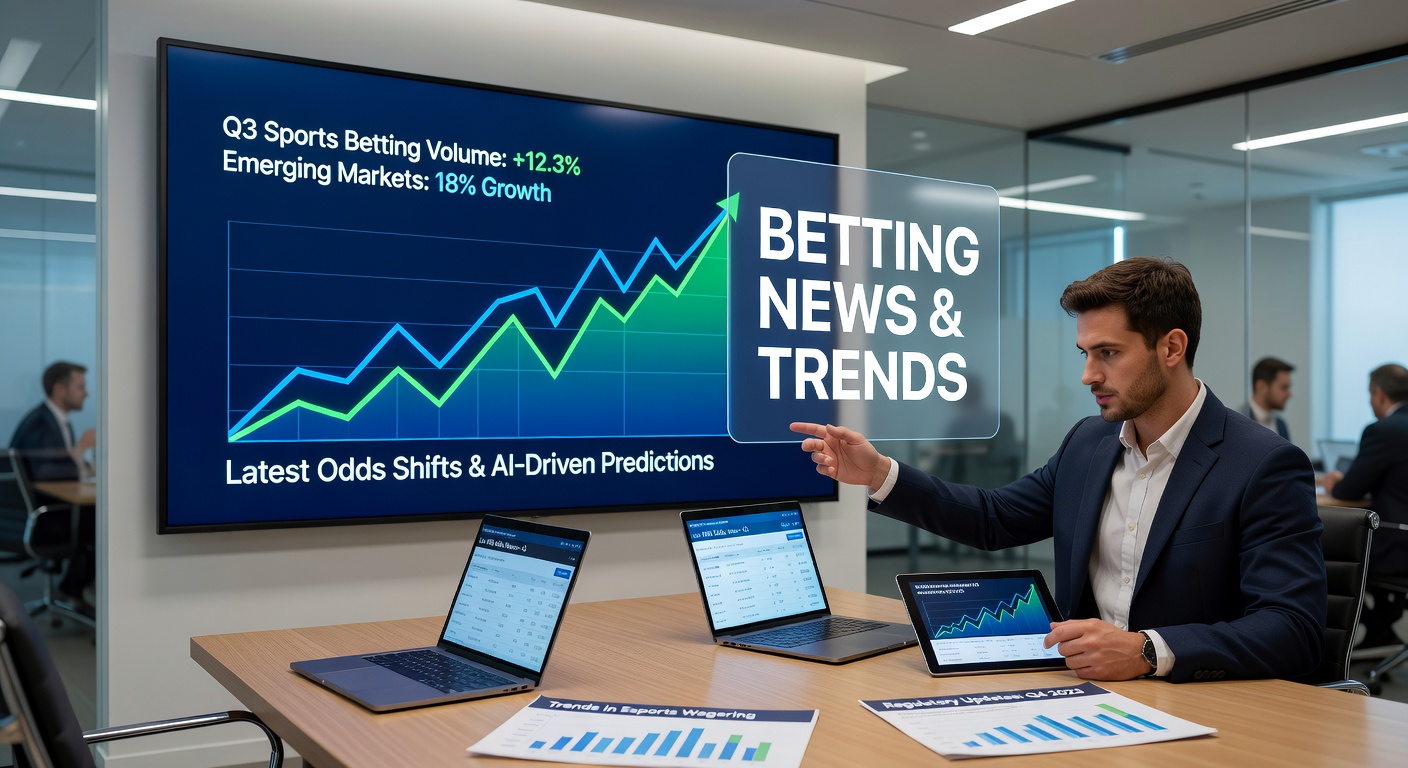
Trading activity on prediction markets climbed sharply during the opening weeks of the 2026 World Cup, reaching 27 percent of all legal U.S. sports-betting volume compared with 9 percent recorded at the start of the calendar year, according to estimates derived from public tournament data covering the event's first month. The increase occurred while traditional sportsbooks experienced slower expansion in the same period, underscoring the growing presence of specialized platforms such as Kalshi in the regulated marketplace.
Volume Shifts During Tournament Play
Public records from the tournament's early matches show that prediction-market contracts tied to match outcomes, goal totals, and advancement scenarios attracted a larger share of wagers than had been observed in prior months. Those figures place the category well ahead of the growth rates posted by conventional sportsbooks operating under state licenses across the country. Observers tracking the data note that the surge coincided with the availability of real-time settlement features on prediction platforms, which allowed participants to adjust positions as matches progressed through July 2026.
Platform Performance Comparison
Kalshi and similar venues reported elevated contract volumes on World Cup-related events, outpacing the incremental gains seen at established sportsbooks during the same window. The estimates, drawn solely from publicly disclosed tournament statistics rather than proprietary operator reports, indicate that prediction markets captured nearly three times the proportion of overall legal betting they held before the event began. Traditional platforms continued to handle the majority of volume, yet their relative share declined as prediction-market activity accelerated.
Data Sources and Methodology
The underlying numbers rest on aggregated public information released during the tournament's first month, including match schedules, attendance figures, and broadcast metrics that correlate with betting interest. Analysts compiling the estimates avoided internal operator data and instead relied on observable patterns across regulated channels to calculate the 27 percent share. This approach produced a snapshot limited to the opening phase of the competition, leaving later stages unexamined in the current release.
Market Structure Context
Prediction markets operate through event contracts that settle according to verifiable outcomes, distinguishing them from point-spread or moneyline offerings common at sportsbooks. During the World Cup period, these contracts drew increased participation from users seeking direct exposure to specific tournament results. The 18-percentage-point rise from the January baseline reflects a redistribution of betting activity rather than an overall expansion of the legal market, since total volume figures remained anchored to the same regulatory framework.
Competitive Positioning
Platforms offering prediction contracts positioned themselves to capture segments of demand that traditional sportsbooks addressed less directly. Kalshi's role appears in the estimates as a primary driver of the category's elevated share, with its contracts on match-specific propositions aligning closely with the tournament calendar. Conventional operators maintained larger absolute volumes, yet the proportional shift documented in the data highlights the competitive pressure emerging from these newer venues.
Conclusion
Estimates based on public tournament data from the 2026 World Cup's first month show prediction markets reaching 27 percent of legal U.S. sports-betting volume, up from 9 percent earlier in the year, while growth at traditional sportsbooks lagged behind. The figures center on platforms including Kalshi and underscore a measurable change in how regulated betting activity distributed during the event. Further updates would require additional public data releases covering subsequent tournament stages.