Player Movement Patterns Shaped by Cross-Platform Casino and Sportsbook Incentives in Regulated Jurisdictions
Written by Casey Walter · Jul 25, 2026
Player Movement Patterns Shaped by Cross-Platform Casino and Sportsbook Incentives in Regulated Jurisdictions
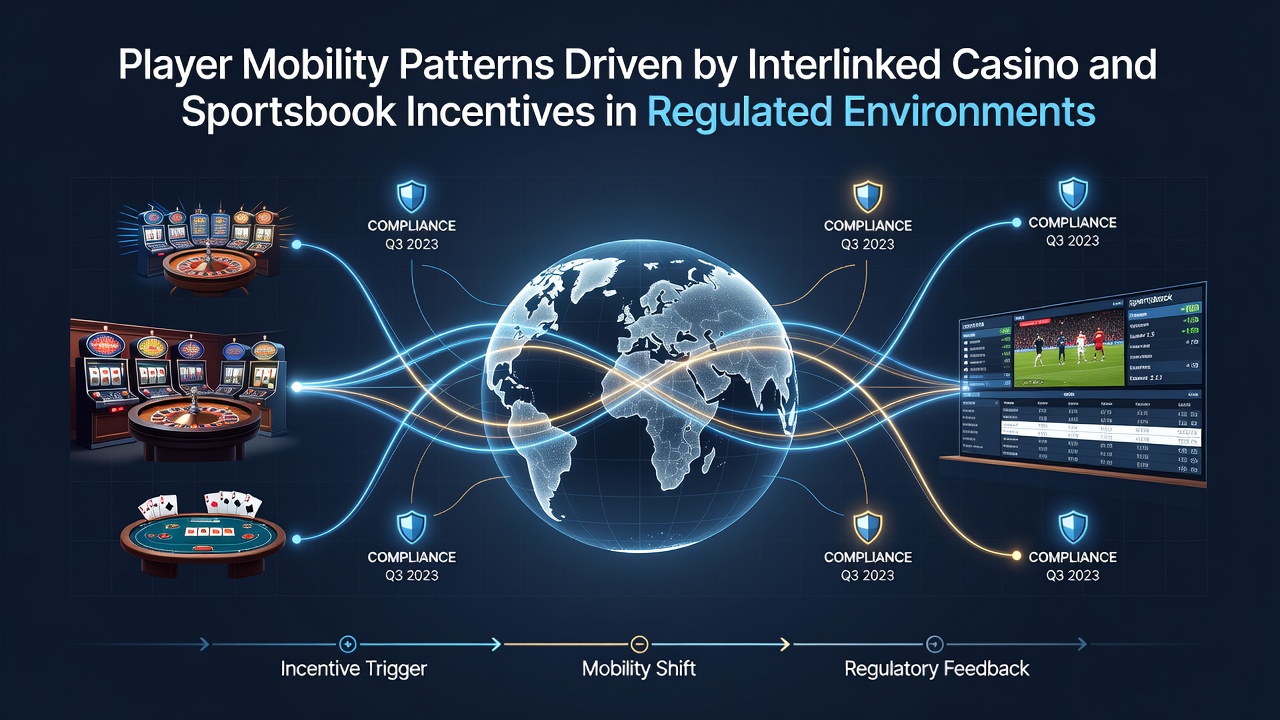
Operators in regulated markets have built systems where casino and sportsbook incentives connect through shared promo codes, and this structure directly influences how players move between different platforms while meeting wagering conditions. Data from state licensing agencies shows that many account holders begin with sports betting welcome offers before shifting activity to casino sections when rollover requirements demand higher volumes of play, and the reverse pattern appears when casino spins carry over into sports markets via the same loyalty tiers.
Mechanics of Interlinked Bonus Structures
Promo codes issued by multi-product operators often apply across both verticals, which means a single deposit can unlock free bets alongside casino spins, and players track these connections to optimize their progress toward cashout thresholds. Regulatory filings from the New Jersey Division of Gaming Enforcement indicate that combined wagering requirements frequently reach 10x to 30x across both products, prompting account holders to alternate between live sports markets and slot or table game sessions within the same ecosystem rather than opening entirely separate accounts.
Those who study these flows note that portability features allow balances and bonus progress to transfer when users switch devices or access points, yet state rules still require identity verification at each step, which slows but does not eliminate the movement. In practice, a player who claims a sportsbook free bet on a Monday evening might complete part of the rollover on casino blackjack the next day because the operator tracks combined activity under one profile.
Observed Mobility Trends Through Mid-2026
Figures released in July 2026 by several state gaming commissions reveal that roughly 38 percent of active accounts in multi-state operators show activity across both casino and sportsbook products within a single calendar month, and this figure rises in jurisdictions where cross-promotions run continuously. Analysts at research institutions tracking these patterns report that players tend to migrate toward whichever vertical currently offers the lower effective wagering multiplier, and this shift occurs most visibly after major sporting events conclude and operators redirect remaining bonus funds into casino play.
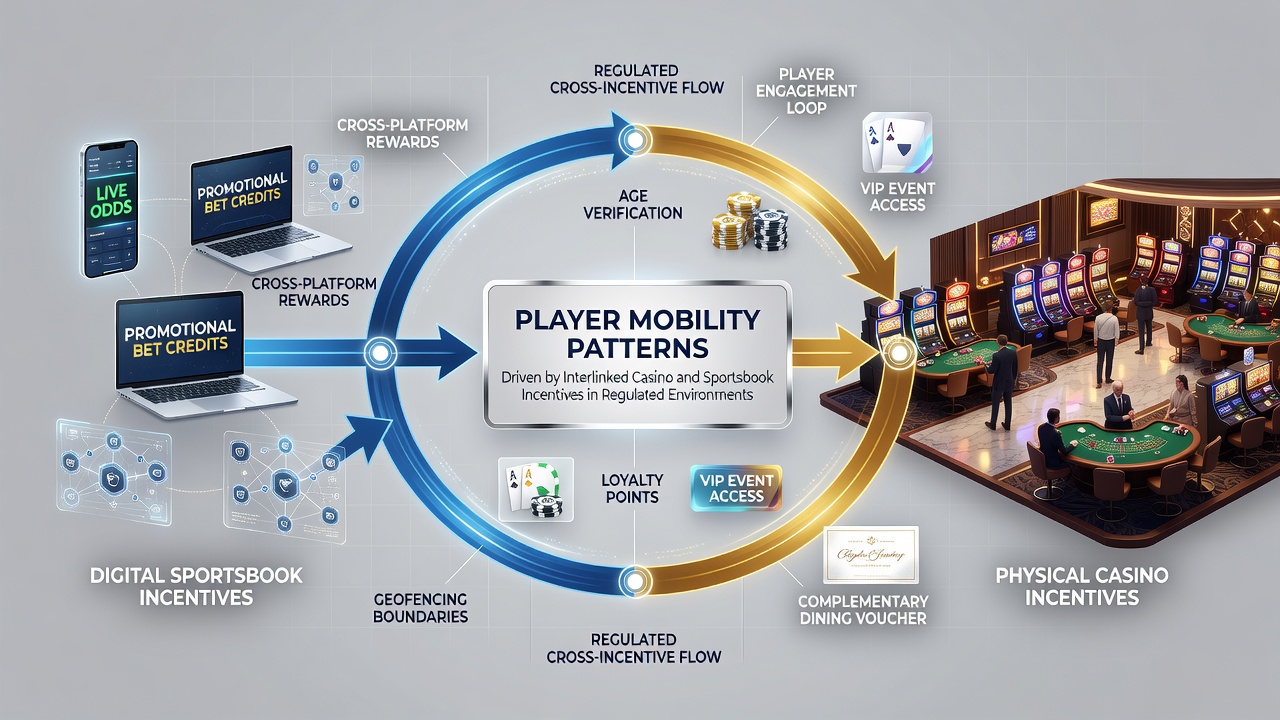
One documented case involved operators in Pennsylvania and Michigan where shared loyalty programs credited points earned on baseball wagers toward casino free-play redemptions the following week, and usage data showed measurable spikes in casino volume immediately after sports betting peaks. Observers note that these movements stay within licensed operators because most regulatory frameworks prohibit direct fund transfers to unlicensed sites, which keeps the mobility contained yet still dynamic inside approved environments.
Regulatory Oversight and Data Collection
State regulators require operators to report player activity segmented by product, and this data has helped identify clusters where users complete sports betting bonuses primarily through casino play, while other groups move in the opposite direction when casino promotions feed into sports markets. A 2025 study from the University of Nevada, Las Vegas gaming research center examined transaction logs across three major operators and found that 22 percent of bonus redemptions involved at least one switch between verticals before final cashout, with the average switch occurring after 65 percent of the required wagering had been met.
Canadian provincial regulators have documented similar behavior in Ontario's market, where single-wallet systems make it seamless for players to alternate between NHL betting lines and online roulette without leaving the same account, and these patterns appear most pronounced during overlapping promotional windows that run through summer months. Because rules vary by jurisdiction, operators adjust incentive structures accordingly, which in turn shapes the specific mobility routes players follow.
Conclusion
Interlinked incentives in regulated environments create measurable pathways that guide player activity between sportsbooks and casinos while remaining fully within licensed frameworks. Data collected through mid-2026 continues to show these movements as a consistent feature of multi-product platforms, with regulatory reporting providing ongoing visibility into the volume and timing of such shifts. As operators refine their systems and states update their oversight mechanisms, the patterns of player mobility are expected to evolve in line with the specific rules and promotional designs that govern each market.