Matched Funding Mechanisms Drive Retention Shifts in Cross-Border Gaming Markets
Written by Klara Krüger · Aug 22, 2026
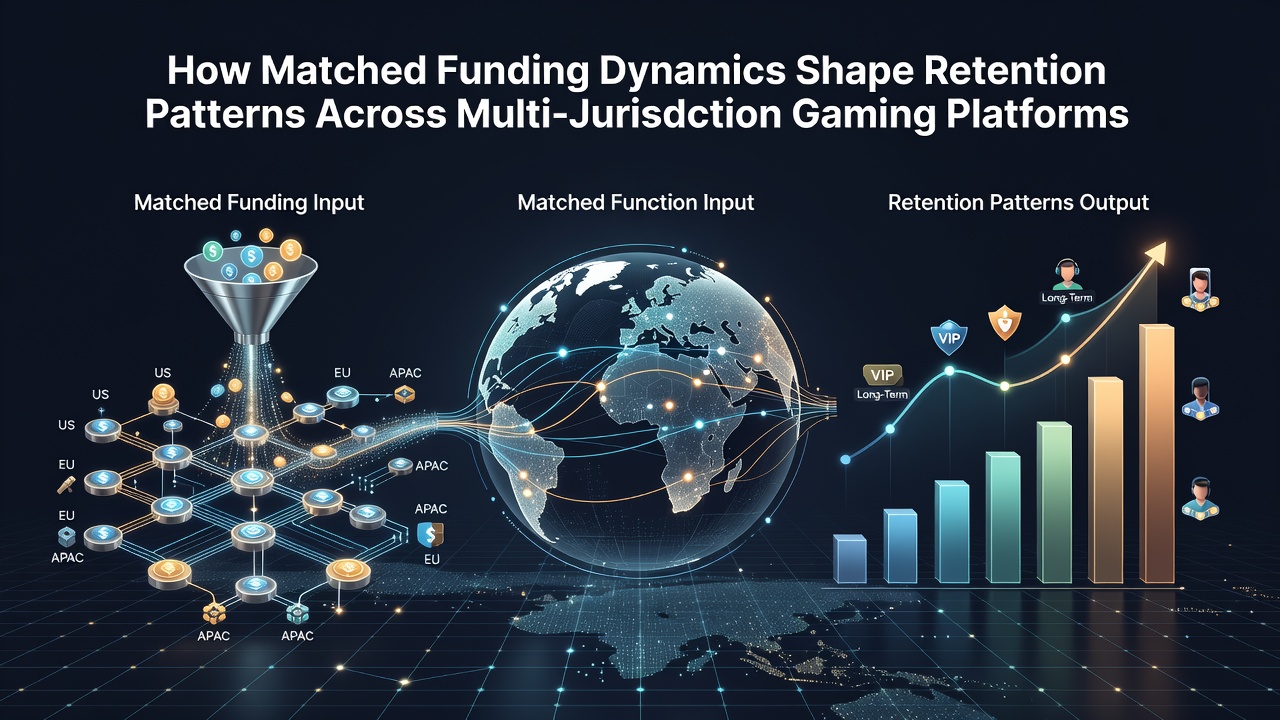
Matched Funding Mechanisms Drive Retention Shifts in Cross-Border Gaming Markets
Matched funding arrangements, where operators credit accounts based on player deposits according to set ratios, create measurable differences in how users maintain activity when platforms span multiple regulatory zones. Operators adjust these ratios to comply with local rules on promotional structures, and the resulting variations influence login frequency, deposit intervals, and session duration across jurisdictions.
Regulatory Variations Shape Funding Ratios
Platforms licensed in several U.S. states must calibrate matched funding offers to align with each state's distinct oversight framework. In Pennsylvania, for example, the Gaming Control Board requires clear disclosure of funding caps, whereas Michigan rules emphasize minimum play-through thresholds before funds become withdrawable. These differences prompt operators to deploy tiered matched funding schedules that respond to each market's constraints, and players who move between states encounter inconsistent credit structures that affect their ongoing engagement patterns.
International operators face additional layers when they extend matched funding to users in regulated Canadian provinces and Australian states. Data compiled through mid-2026 shows that retention curves flatten more quickly in jurisdictions where funding matches carry shorter validity periods, while longer eligibility windows correlate with steadier deposit activity. Observers tracking account-level metrics note that users exposed to mismatched funding terms across borders often consolidate activity on the platform offering the most predictable credit schedule.
Player Behavior Across Jurisdictional Lines
Account portability features introduced in several U.S. markets allow users to carry balances and loyalty status between state-specific skins of the same operator group. When matched funding credits transfer with these accounts, retention rates rise in the receiving jurisdiction, according to figures released by the Pennsylvania Gaming Control Board in its quarterly aggregates. Conversely, credits that reset upon migration correlate with higher rates of account dormancy within thirty days.
Studies conducted by academic teams at the University of Nevada, Las Vegas, examined transaction logs from multi-state operators and found that players receiving matched funding in one jurisdiction while holding active accounts in another maintain higher average session counts. The research tracked cohorts through August 2026 and recorded that consistent credit application across borders reduced the likelihood of complete disengagement by measurable margins compared with fragmented funding policies.
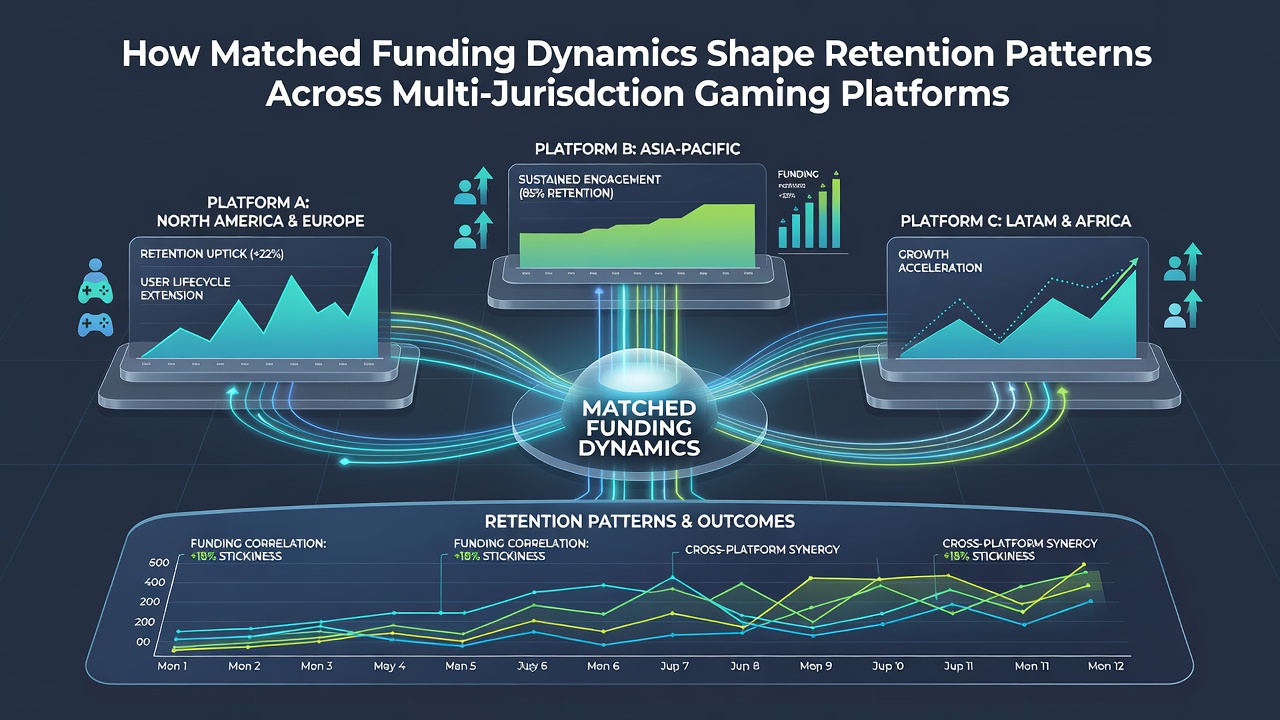
Platform Strategies and Cross-Market Adjustments
Operators respond to these patterns by deploying dynamic matched funding engines that reference a user's primary jurisdiction and adjust offer parameters accordingly. When a player logs in from a new state or province, the system recalculates available credits based on local rules and the user's historical deposit behavior. This approach limits abrupt changes in funding availability, and platforms that implemented such engines during 2025 reported steadier month-over-month active user counts in subsequent reporting periods.
European operators managing licenses in multiple member states apply similar logic, though they contend with additional consumer protection overlays that cap total matched amounts. Retention data aggregated by the European Gaming and Betting Association indicates that users who encounter seamless credit migration across borders sustain longer relationships with the operator family than those who face repeated re-verification or funding resets. The association's mid-2026 summary highlighted that coordinated matched funding policies correlate with lower rates of account closure requests in cross-border user segments.
Measurement Challenges and Data Patterns
Quantifying the precise impact of matched funding on retention requires operators to isolate variables such as game mix, payment method availability, and regional marketing spend. Multi-jurisdiction datasets reveal that matched funding exerts stronger influence on retention when paired with consistent loyalty point accrual, yet the effect diminishes when users encounter divergent tax treatments on winnings across borders. Analysts at state regulatory bodies continue to refine attribution models that separate funding mechanics from other retention drivers.
Patterns observed through August 2026 suggest that jurisdictions permitting higher matched funding ceilings without extended lock-up periods experience slower decay in user activity following initial deposit spikes. Platforms that synchronize these parameters across their licensed markets record more stable cohort retention curves, while fragmented implementations produce noticeable drops when users relocate or switch primary access points.
Conclusion
Matched funding dynamics continue to interact with jurisdictional requirements in ways that directly affect how long players remain active across multi-state and international platforms. Operators that align credit structures with local rules while preserving portability features demonstrate more consistent retention metrics, and regulatory bodies tracking these trends accumulate evidence that policy coordination influences user longevity. As markets expand through 2026, the interplay between funding mechanics and cross-border account behavior remains a central factor in platform performance data.