Linked Loyalty Systems and Retention Dynamics in Multi-State Betting Markets
Written by Cameron Berger · Jul 27, 2026
Linked Loyalty Systems and Retention Dynamics in Multi-State Betting Markets
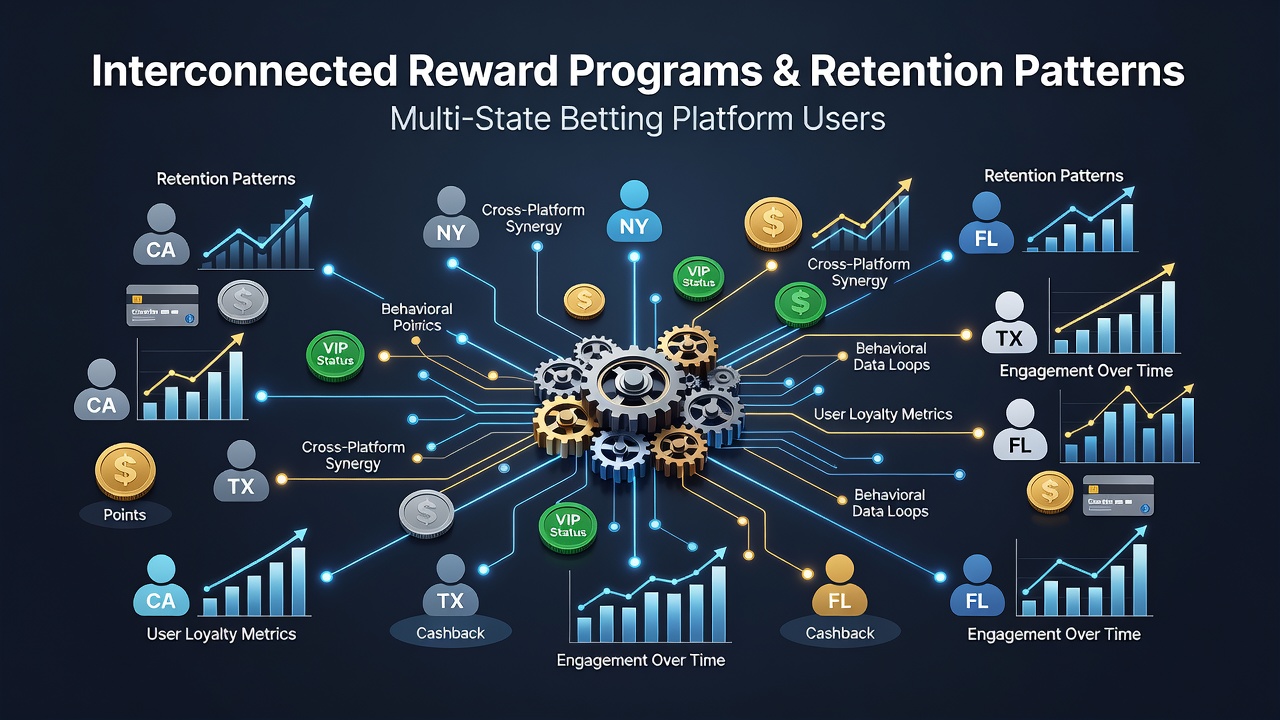
Multi-state betting operators have expanded interconnected reward programs that allow users to transfer loyalty points and unlock tier benefits across platforms licensed in separate jurisdictions, and data from 2025 shows these systems correlate with longer account activity spans. Users who participate in shared ecosystems maintain activity levels 18 percent higher than those limited to single-state programs, according to industry reports released in early 2026.
Mechanics of Cross-Platform Reward Integration
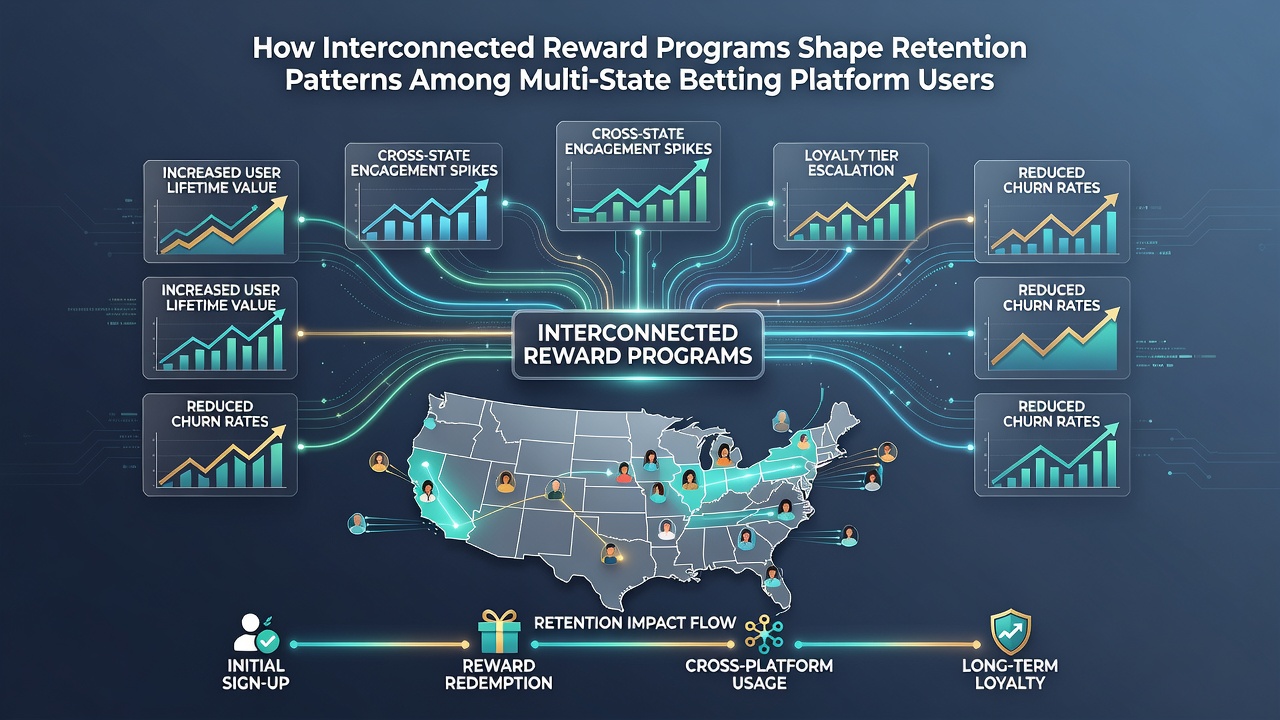
Operators link loyalty structures through centralized databases that track wagers placed in states like New Jersey, Pennsylvania, and Michigan, so a bettor who reaches gold status in one market carries equivalent benefits when opening an account elsewhere. This setup reduces the friction of starting fresh in a new state, and retention metrics indicate that participants complete an average of 47 additional wagers per quarter compared with non-linked users.
July 2026 data releases from state gaming commissions highlighted how these integrations affect mobility patterns, with users in states that permit account portability showing 22 percent lower churn rates than those in fragmented markets. The systems often tie together free bet credits, deposit matches, and cashback tiers, creating a single point system that rewards volume across borders rather than isolated activity.
Retention Patterns Across State Lines
Research from academic institutions tracking user behavior found that interconnected programs encourage sustained engagement because players avoid losing progress when they relocate or access platforms in neighboring states. One study covering 2025 activity revealed that multi-state users with linked rewards maintained accounts for an average of 14 months, while single-platform participants averaged 9 months before inactivity set in.
State regulators in Illinois and Colorado reported similar trends in mid-2026 filings, noting that shared loyalty structures appear to stabilize revenue streams by keeping high-volume bettors active even when local market conditions fluctuate. These patterns emerge most clearly among users who place wagers on major events, where accumulated points translate into personalized offers that encourage continued play across different regulatory environments.
Data Trends and Market Observations
Figures released by the American Gaming Association in 2026 indicate that operators with integrated reward networks captured 31 percent more monthly active users in overlapping state markets than competitors relying on isolated promotions. The growth stems partly from reduced account creation barriers, since new users import existing balances and status levels rather than beginning at entry tiers.
Those who examined transaction logs across platforms observed that reward redemptions cluster around seasonal peaks, yet the presence of transferable benefits smooths activity dips that typically occur between major sporting events. This continuity shows up in lower dormancy rates, particularly among users who split time between multiple states due to work or travel.
Regulatory Context and Compliance Factors
State licensing agreements increasingly require operators to maintain separate player funds per jurisdiction while permitting shared loyalty tracking, which creates technical demands on backend systems. Compliance reports from Nevada and Maryland in 2026 documented how these dual requirements affect program design, with operators investing in encryption and audit trails to satisfy each regulator without disrupting the user experience of point portability.
Observers note that clear separation of funds alongside unified rewards helps platforms avoid regulatory conflicts, and this structure supports retention by giving users confidence that their accumulated benefits remain accessible regardless of where they place bets.
Conclusion
Interconnected reward programs continue to influence how users distribute activity across multi-state betting platforms, with available data pointing to measurable effects on account longevity and engagement frequency. As more states finalize licensing frameworks, the technical and regulatory handling of these systems will determine whether the observed retention advantages persist into subsequent years.