Interconnected Promo Code Systems Driving Account Portability in State-Licensed Betting Markets
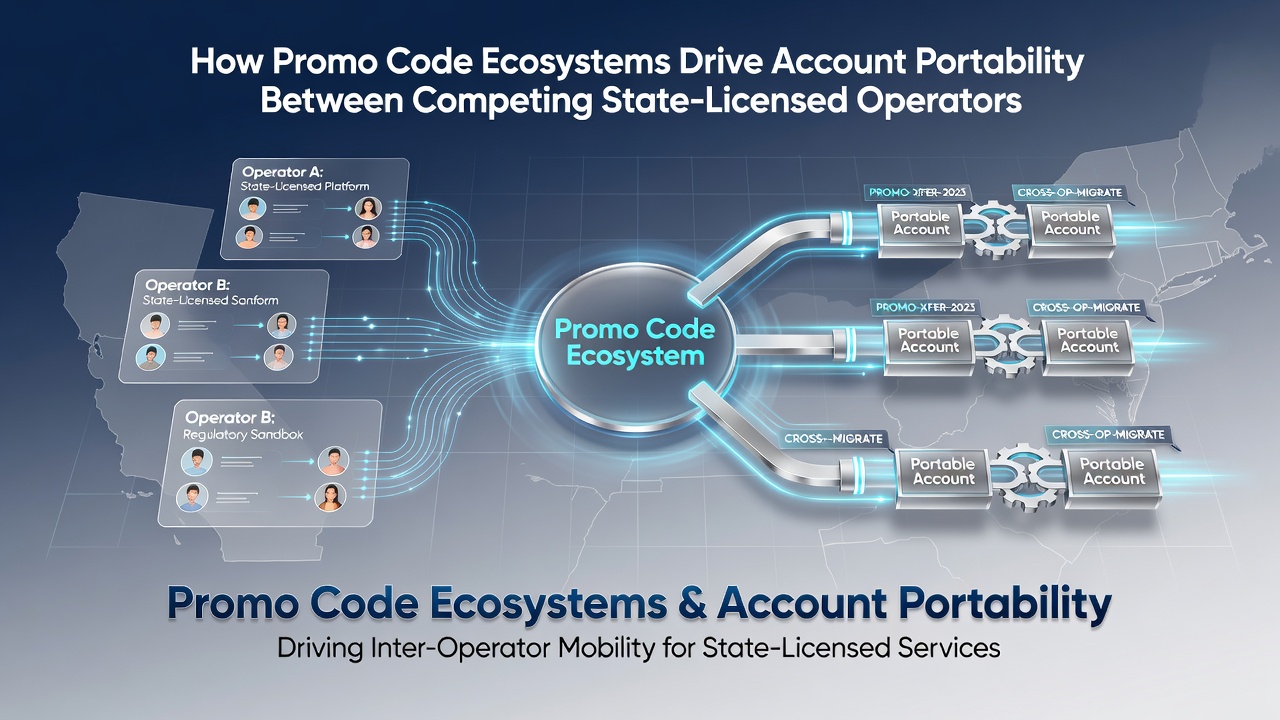
Promo code ecosystems have evolved into structured networks that facilitate account movement across competing state-licensed operators, and data from mid-2026 shows measurable shifts in user activity between platforms. Operators in regulated markets issue codes that often integrate with shared tracking systems, allowing players to transfer balances or loyalty status when they switch providers under specific conditions. These mechanisms rely on standardized redemption processes that state regulations permit while maintaining separation between individual company accounts.
Mechanics of Cross-Operator Code Integration
State-licensed operators design promo codes with unique identifiers that link to centralized affiliate networks, and these networks track redemptions across multiple platforms without violating jurisdictional rules. When a user enters a code on one site, the system records eligibility data that can sometimes carry over if the player migrates to another operator using the same network. Researchers have observed that this portability occurs most frequently in states where licensing agreements allow limited data sharing through third-party processors, creating pathways for balance transfers tied to bonus fulfillment.
Account portability emerges when codes reference common promotional partners, and users discover they can activate offers on a new platform after completing requirements on the original one. This process depends on real-time verification tools that confirm prior activity without merging full account histories. Figures from June 2026 indicate increased code redemptions involving multi-operator sequences, particularly during major sporting events when promotional volume spikes across licensed markets.
Regional Patterns in Code-Driven Mobility
Markets with dense clusters of licensed operators, such as those along the East Coast and in parts of the Midwest, display higher rates of code-based switching. Observers note that players often test promotions sequentially, moving from one operator to another once wagering thresholds are met or when new codes appear through shared distribution channels. This pattern aligns with regulatory frameworks that require clear separation of funds yet permit promotional partnerships between non-competing entities in different states.
Studies from academic institutions tracking gambling behavior reveal that portability increases when codes include cross-platform loyalty elements, and these elements function through encrypted tokens that verify user status across operators. Data collected through June 2026 shows regional variations where states with newer licensing regimes experience faster adoption of such systems compared to established markets with stricter isolation rules.
Technical Infrastructure Supporting Transfers
Backend systems employed by promo networks use API connections that allow limited information exchange, including bonus status and redemption history, while blocking direct account linkage. These connections enable operators to honor certain code conditions even after a player opens an account elsewhere, provided the transfer complies with state-specific rules on fund segregation. Industry reports highlight how such infrastructure reduces friction for users who maintain multiple active profiles across platforms.
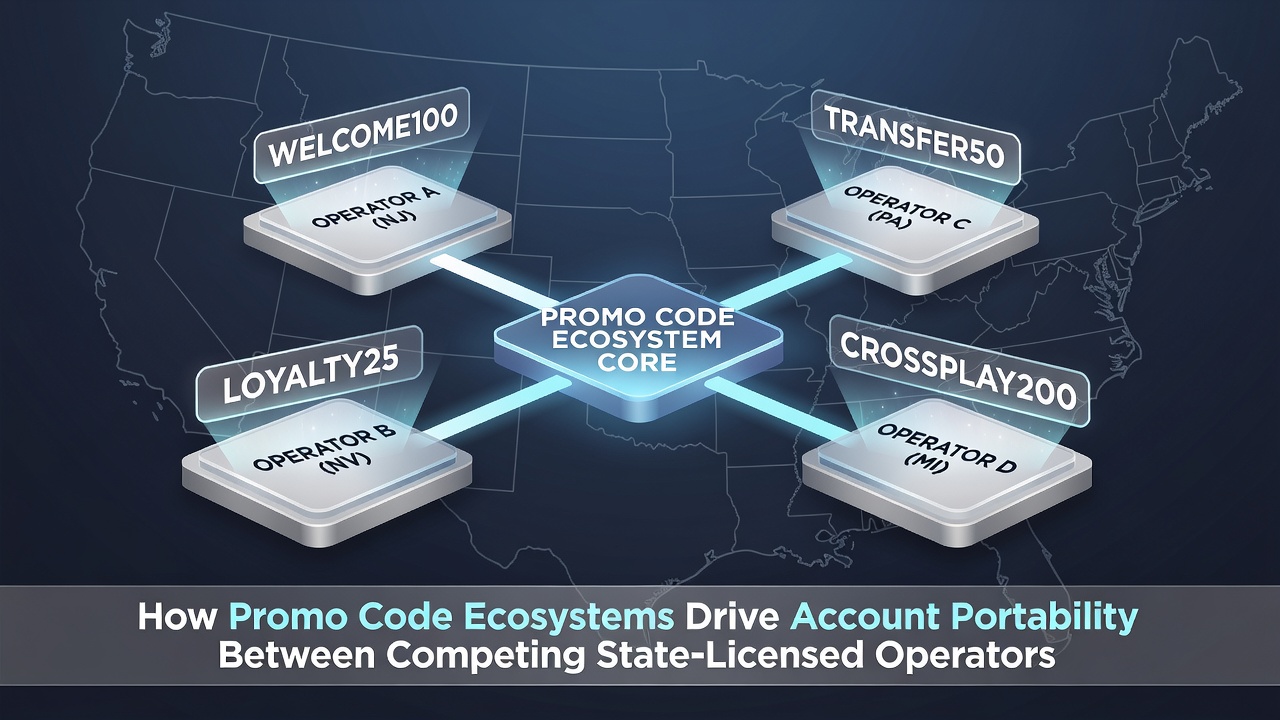
Security protocols built into these ecosystems encrypt player identifiers during transfers, and compliance teams monitor activity to prevent unauthorized merging of records. The result is a controlled form of portability that keeps each operator's core account data isolated while permitting promotional continuity through the shared code layer.
Examples of Code Sequences Across Operators
Take one documented sequence where a player redeems an initial deposit match on Operator A, completes the attached playthrough, then activates a follow-up code from the same network on Operator B that credits a free bet based on prior activity verification. This type of movement appears in transaction logs analyzed by research groups, and it demonstrates how ecosystems encourage exploration without requiring full account closure on the first platform.
Another case involves loyalty tiers that persist across operators when codes reference the same partner program, allowing users to carry progress metrics when they switch providers. State regulators permit these arrangements because they operate through separate promotional agreements rather than direct account handoffs, preserving compliance boundaries while enabling the observed mobility.
Data Trends Through Mid-2026
Analytics compiled as of June 2026 indicate that promo code redemptions involving at least two distinct operators rose compared to prior periods, with spikes correlating to major league seasons and tournament schedules. These trends reflect broader adoption of networked promotional tools that lower barriers to entry on secondary platforms. According to industry analyses published by the American Gaming Association, such systems contribute to overall market expansion by distributing player activity across multiple licensed entities rather than concentrating it on single operators.
Additional findings from Canadian regulatory reports on cross-border promotional trends suggest similar patterns where code ecosystems influence user movement in multi-jurisdictional environments, providing comparative context for U.S. state markets. The data underscores how technical compatibility between promo systems directly correlates with measured portability rates.
Conclusion
Promo code ecosystems function as connective tissue between competing state-licensed operators, enabling defined forms of account portability through standardized tracking and verification methods. As of June 2026, these systems continue to shape user behavior by allowing sequential code use and limited status transfers while operators maintain regulatory compliance. The infrastructure relies on API linkages and encrypted data flows that support mobility without compromising account separation requirements across different jurisdictions.