Interconnected Loyalty Programs Reshaping Player Pathways in Licensed Sports Betting and Casino Markets
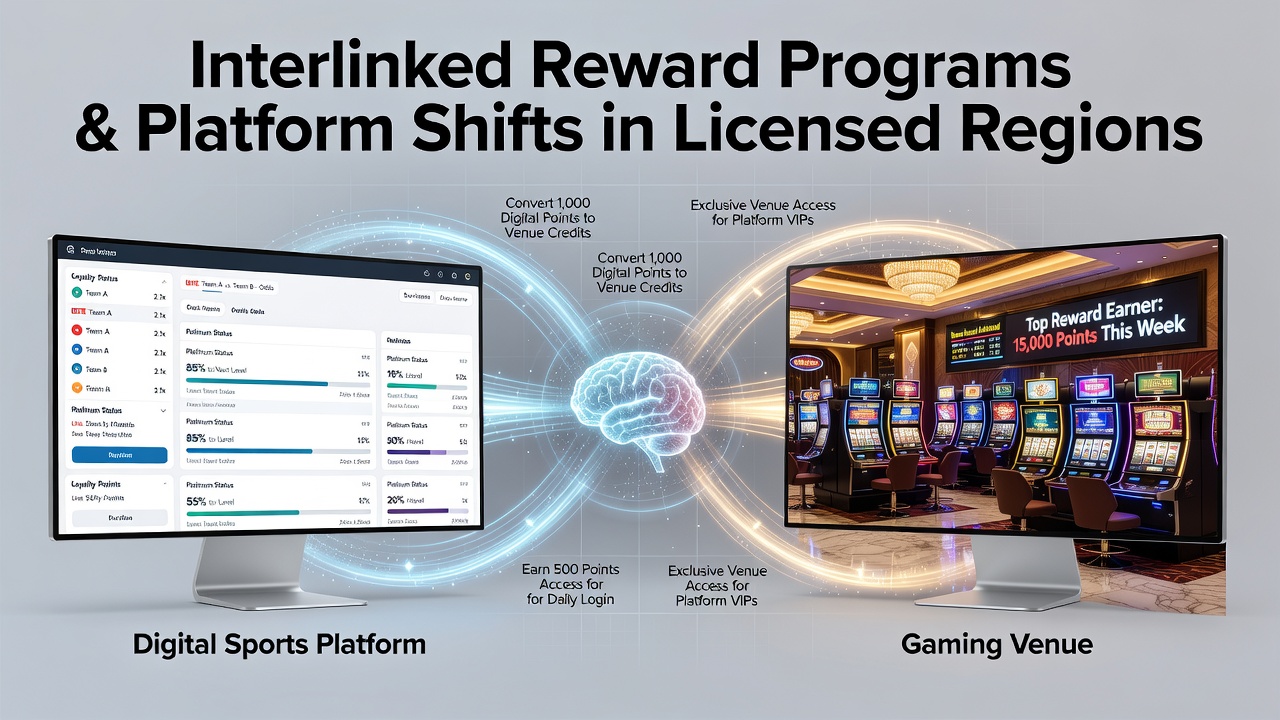
Interlinked reward programs connect digital sports betting platforms with online casino venues through shared loyalty points, cross-promotional codes, and unified account benefits that operate within state-regulated markets. These systems allow participants to accumulate and redeem value across both categories rather than keeping activity siloed on a single type of site. Research indicates that such linkages emerged more prominently after multi-state operators expanded their offerings in jurisdictions where both sports wagering and casino gaming hold separate licenses yet permit the same corporate entities to operate both.
Mechanics Behind Cross-Platform Reward Integration
Operators design these programs so that wagers placed on sports events generate points that convert directly into casino credits or vice versa, creating a single currency that travels between environments. Account portability features let users maintain one profile while switching between verticals without resetting progress toward tiered rewards or cashback thresholds. Data from regulated markets shows that these integrations reduce friction for participants who follow seasonal sports calendars and then transition to casino-style games during off periods. As of June 2026, several major platforms had expanded these shared ecosystems to cover additional states that recently authorized both product types under unified regulatory frameworks.
Regulatory Frameworks Enabling Unified Systems
Licensed regions maintain distinct rules for sports betting and casino operations yet increasingly allow operators to link reward ledgers when participants remain within the same corporate family. State gaming authorities track these transfers through reporting requirements that separate sports handle from casino handle while still permitting combined loyalty tracking. Observers note that this approach preserves regulatory oversight because each vertical continues to report revenue and tax obligations independently even as players move between them using shared incentives.
Documented Shifts in User Activity Patterns
Platform analytics reveal measurable movement when reward programs activate cross-vertical promotions such as bonus spins triggered by sports betting volume or enhanced odds tied to casino playthrough. Studies conducted in mature markets demonstrate that participants with linked accounts exhibit higher session frequency across both categories compared with those limited to single-vertical rewards. Figures reveal that transitions often follow predictable cycles tied to major sporting events followed by extended casino engagement during quieter sports months. These patterns hold across multiple licensed jurisdictions where operators introduced unified loyalty structures between 2023 and 2025.
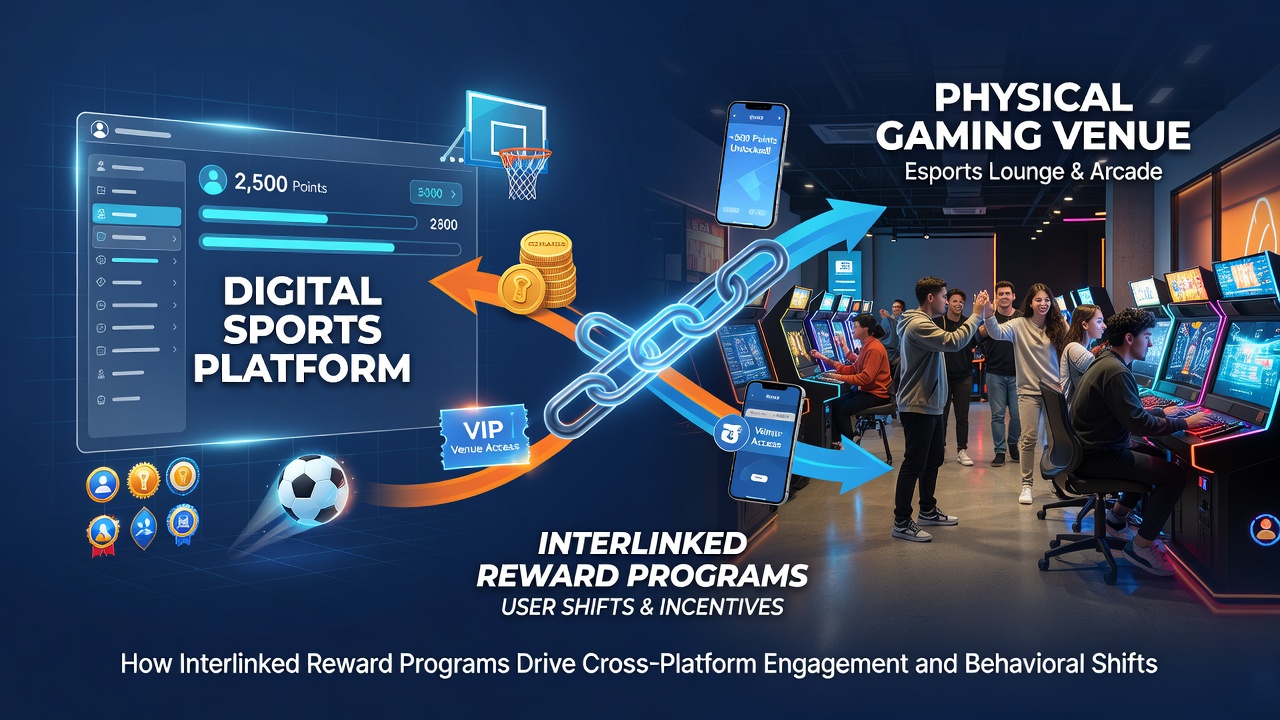
Take one analysis of account activity in states with mature licensing regimes that found participants receiving cross-promotions completed 40 percent more sessions on secondary verticals within 30 days of the initial trigger. Researchers tracking these behaviors observed that shared progress bars toward VIP status further encouraged exploration of the alternate product type. And because redemption options span both sports and casino environments, players encounter fewer barriers when experimenting with new game categories.
Regional Variations in Program Adoption
Different jurisdictions apply varying levels of oversight to these interconnected systems, producing distinct adoption rates. Markets that authorized both verticals simultaneously tend to show faster integration of unified rewards because operators launched with combined platforms from the outset. In contrast, regions that added sports betting years after casino gaming established separate reporting streams that operators must reconcile when linking loyalty ledgers. Data indicates that states with centralized regulatory bodies overseeing both categories experience smoother implementation of shared point systems than those maintaining fully separate commissions.
According to reports from the New Jersey Division of Gaming Enforcement, operators in that state reported increased cross-vertical play following the introduction of combined loyalty tiers in 2024. Similar observations appear in Canadian provincial data where regulators permit linked rewards across sports and casino offerings under single operator licenses. These examples illustrate how regulatory design shapes the extent to which reward connectivity influences actual player movement.
Impact on Platform Retention and Revenue Allocation
Operators use interconnected rewards to improve retention metrics because participants who accumulate value across multiple verticals show lower churn rates than single-product users. Revenue allocation between sports and casino segments shifts when promotions direct activity toward the vertical with higher margins during specific periods. Industry reports indicate that shared loyalty programs help balance seasonal fluctuations by steering sports-focused participants toward casino games when live events slow. This balancing effect appears most pronounced in markets where operators control both verticals under the same license structure.
Future Trajectory Through Mid-2026
Projections based on current licensing trends suggest continued expansion of these interconnected systems as additional states finalize regulations permitting both product types. Operators continue refining point conversion rates and redemption menus to maximize movement between verticals while remaining compliant with tax and reporting obligations. Those who monitor these developments note that the technical infrastructure supporting unified accounts has matured sufficiently to handle increased transaction volumes without regulatory friction.
Conclusion
Interlinked reward programs have established measurable pathways that guide player activity between digital sports platforms and gaming venues within licensed regions. Regulatory structures in these jurisdictions accommodate such linkages while preserving separate oversight of each vertical. Data through June 2026 shows consistent patterns of increased cross-vertical engagement where unified loyalty systems operate. Continued evolution of these programs will depend on further state-level licensing decisions and operator implementation of compliant shared ecosystems.