Charting Advancement Routes in Staged Incentive Programs for Gambling Platforms Spanning Multiple Regulatory Zones

Player progression in tiered reward systems within multi-jurisdictional betting apps follows structured pathways that combine activity metrics with compliance requirements across different regulatory environments, and data from mid-2026 indicates steady growth in these layered frameworks as operators manage accounts that cross state and national boundaries. Observers note that users advance through levels based on cumulative wagering volume, deposit frequency, and retention periods, while systems automatically adjust eligibility according to local rules that govern bonus structures in each jurisdiction.
Core Mechanics of Tier Advancement
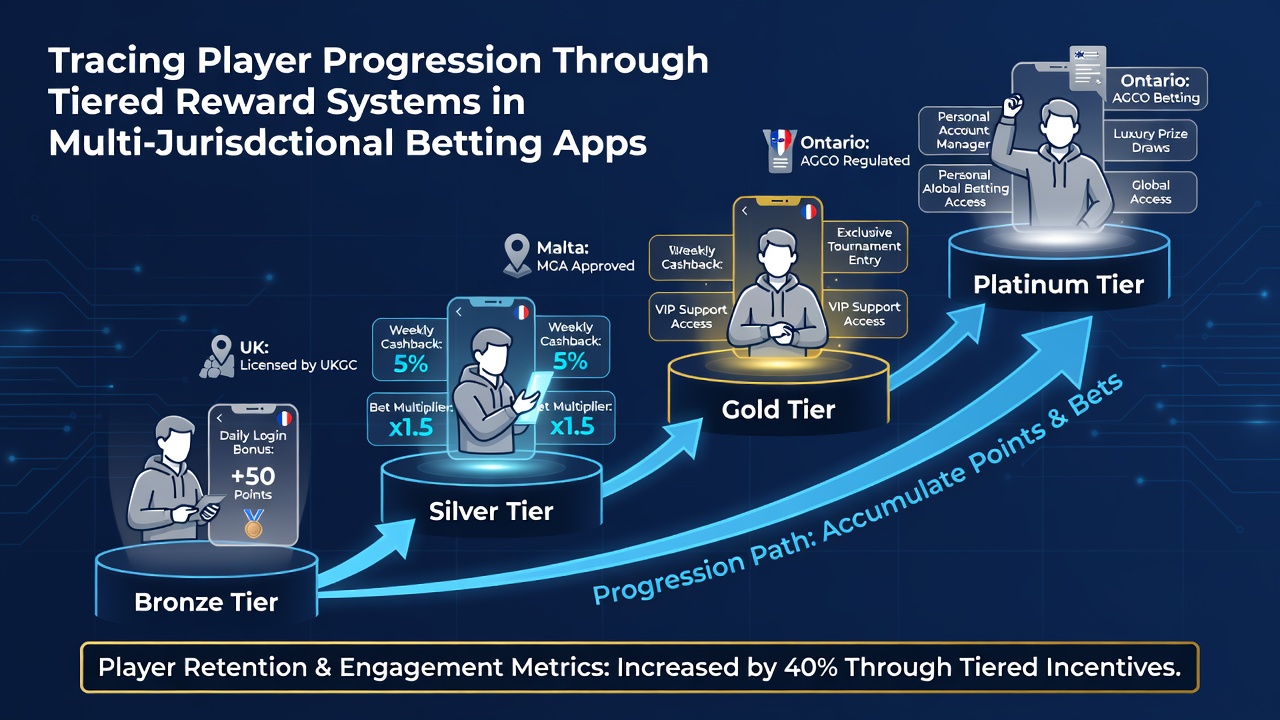
Operators define tiers through point accumulation models where players earn status credits from bets placed on sports markets or casino games, and these credits translate directly into higher reward brackets that unlock cashback percentages, enhanced withdrawal limits, and exclusive event access. Research indicates that basic entry levels require minimal activity thresholds, whereas premium tiers demand sustained engagement over multiple months, creating a progression ladder that rewards consistency rather than one-time spikes in play.
Systems track these movements through centralized databases that log every transaction against jurisdictional flags, so a player active in both a U.S. state market and a Canadian province sees their tier status reflect combined activity yet faces separate redemption rules tied to each location. Figures reveal that many platforms recalculate tier standings monthly, allowing users to move upward when thresholds are met or drop levels during periods of reduced activity.
Handling Cross-Border Compliance in Reward Tracking
Multi-jurisdictional apps must reconcile varying regulations on bonus issuance and player incentives, which means progression algorithms incorporate location-based filters that pause or modify rewards when accounts switch between regions with stricter oversight. Data shows that operators often segment player profiles by primary jurisdiction while maintaining a global tier overlay, ensuring that advancement metrics remain visible even as specific benefits activate only within compliant zones.
According to reports from the Alcohol and Gaming Commission of Ontario, platforms operating across provincial and state lines have increased investment in real-time auditing tools that verify tier eligibility against local player protection standards. These tools prevent unauthorized reward claims by cross-referencing account history with regulatory databases before any tier benefits are applied.
Practical Examples of Progression Mapping
One documented case involved a user who started at an entry-level status through initial deposits in a single state market, then expanded activity into additional jurisdictions and reached mid-tier status within four months as combined wagering volume triggered automatic upgrades. The platform displayed a unified progress dashboard that highlighted pending milestones while noting jurisdiction-specific conditions for claiming associated rewards.
Another pattern observed in industry data involves players maintaining steady tier positions across seasonal peaks, such as major sporting events in June 2026, where increased betting activity accelerated advancement but required separate verification steps for each active license area. Operators use these examples to refine algorithms that balance global progression visibility with localized compliance checks.
Data Trends and System Adaptations Through Mid-2026
Industry reports compiled through June 2026 demonstrate that tiered systems now incorporate predictive analytics to forecast when users are likely to reach the next level, sending notifications that detail remaining requirements without promising outcomes that might conflict with regional advertising rules. These adaptations help maintain engagement while respecting the distinct regulatory environments that govern each segment of a player's activity.
Studies from academic sources such as the University of Nevada's gaming research center highlight how operators adjust point valuation rates based on jurisdictional risk profiles, assigning higher credit multipliers in markets with established player safeguards and more conservative rates elsewhere. This approach supports consistent advancement tracking without creating uniform reward promises that overlook local restrictions.
Integration With Broader Player Management Tools
Tiered reward platforms connect directly to responsible gaming modules that monitor play patterns and may temporarily freeze progression if indicators suggest excessive activity in any single jurisdiction. Such integrations ensure that advancement remains tied to sustainable behavior while still allowing users to view their overall trajectory across multiple operating regions.
External links to resources from the American Gaming Association provide additional context on how these systems evolve in response to expanding state-level licensing, and similar insights appear in analyses from the Canadian Partnership for Responsible Gambling that examine cross-provincial account management practices.
Conclusion
Tiered reward systems in multi-jurisdictional betting apps continue to evolve through integrated tracking mechanisms that balance player advancement with regulatory compliance across regions, and ongoing developments as of June 2026 reflect increased reliance on automated tools that maintain accurate progression records while adapting benefits to local requirements. These frameworks support structured movement through reward levels based on verifiable activity data, creating pathways that remain functional even when accounts span multiple regulatory zones.